
Best Wall Safe: How to Choose the Right Hidden Safe for Your Home or Office
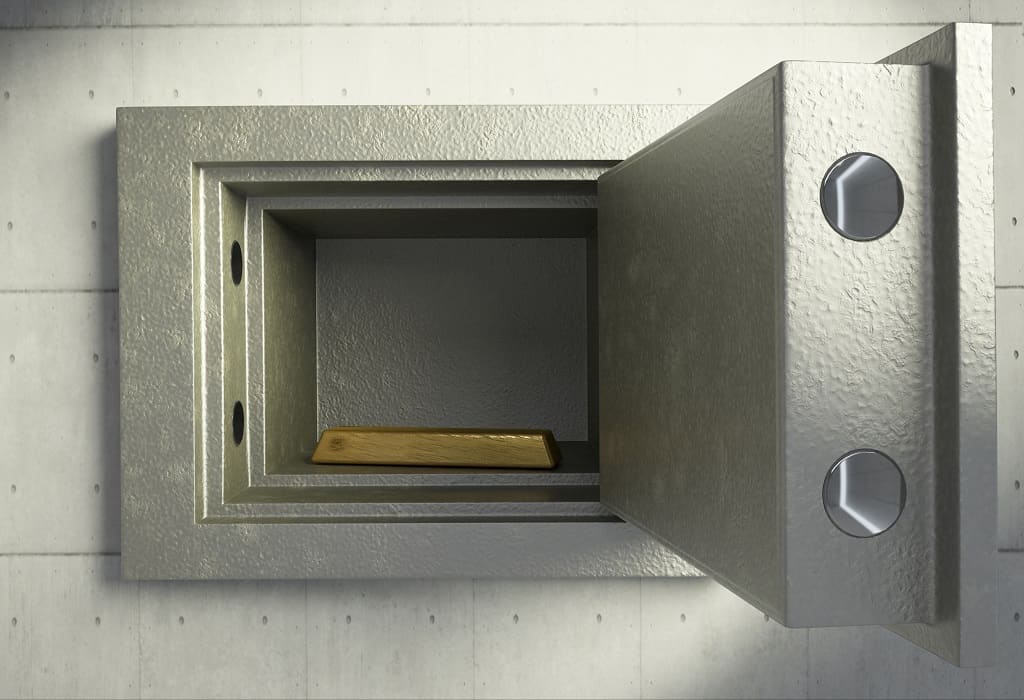
If you’re looking to protect valuable items without sacrificing floor space or announcing to burglars exactly where your valuables live, a wall safe deserves serious consideration. These recessed security boxes install directly into your wall cavity, hiding behind mirrors, artwork, or inside closets where they blend seamlessly into your home décor. Modern wall safes are designed with both form and function in mind, fitting flush between wall studs and often masked by artwork or mirrors to enhance discretion and aesthetic appeal. In addition to their concealment, a wall safe offers an ideal blend of safety and discretion, making it more difficult for thieves to detect compared to traditional safes. The challenge is finding the right model—one that balances concealment, burglary protection, and your specific storage needs. Fortunately, the market offers a wide variety of reliable, high-quality wall safes designed to secure your valuables.
This guide walks you through everything you need to know about choosing, sizing, and installing the best wall safe for your situation, drawing on decades of experience and expertise in the safe industry.
Quick Answer: What Is the Best Wall Safe for Most People?
The best wall safe balances three factors: concealment, burglary resistance, and (when needed) fire protection. Your ideal choice depends on your budget, what you’re storing, and the depth of your wall construction.
Here are four solid picks covering common use cases:
- Best overall: American Security WS1214E – Features a B-rated steel body and door with electronic lock, fits between standard 16” on-center studs, and offers reliable burglary resistance for most home security needs. This model provides plenty of room for storing various types of valuables securely.
- Best fire-resistant wall safe: Gardall WMS912-G-CK – Provides a 1-hour UL Class 350 fire rating, protecting paper documents and cash from typical house fires while maintaining solid burglary deterrence. There is plenty of space inside for storing a range of valuables.
- Best budget wall safe: Paragon 7750 – An electronic wall safe priced around $200-300, ideal for light home use, documents, and moderate cash storage without breaking the bank.
- Best for jewelry and watches: A concealed in-wall jewelry/watch safe with biometric lock – Models featuring fingerprint recognition, display-friendly interiors, and carpeted lining protect valuable collections while offering sub-2-second access.
Each pick serves different priorities:
- Documents and passports: Budget or fire-rated models work well
- Cash reserves over $5,000: Consider B-rated construction minimum
- Jewelry and watches: Prioritize biometric access for daily use
- Handguns requiring quick access: Biometric locks meet state retrieval requirements
- Irreplaceable family heirlooms: Fire-rated units provide peace of mind
The rest of this article explains how to evaluate these factors, what ratings actually mean, and where to install your safe for maximum security.
What Is a Wall Safe?
A wall safe is a small metal box that mounts directly into the wall or floor of your home or office.
A wall safe is a secure steel box designed to recess directly into your wall cavity, anchored to the structural framing between wall studs. Unlike freestanding safes that sit on your floor or heavy gun safes bolted to concrete, wall safes disappear into your living space—installed flush with the drywall surface and concealed behind everyday objects.
Understanding the different configurations helps narrow your options:
- Recessed wall safes sit flush with the finished wall, typically hidden behind framed artwork, mirrors, or decorative panels
- Concealed cabinet safes combine a recessed safe with a decorative cabinet door or screen that serves as both access point and disguise
- Shallow units (3-4” depth) fit standard 2×4 wall construction found in most homes
- Extra-deep units (5-6” or more) require 2×6 walls or installations that protrude into adjacent closets or rooms
Most residential wall interiors offer about 3.5 inches of usable depth in 2×4 framing, or 5.5 inches in 2×6 construction. When choosing a wall safe, it is important to verify the wall depth to ensure proper installation, typically fitting between 16-inch on-center studs.
This physical limitation means wall safes generally hold smaller items than their floor-standing counterparts.
Typical storage includes:
- Passports, birth certificates, and legal documents
- Cash reserves (comfortably up to $10,000 in bills)
- Jewelry, watches, and small heirlooms
- Backup drives and digital media
- Compact firearms and ammunition
Wall safes stand out for their ability to blend into your room without consuming floor space—a significant advantage in apartments, condos, and smaller home office setups.
Advantages and Disadvantages of Wall Safes
Wall safes aren’t the right solution for every security need. Understanding their strengths and limitations helps you decide whether to proceed or consider alternatives.
Advantages
- Excellent concealment when installed behind framed artwork, mirrors, inside closets, within built-in shelving, or behind headboards
- Wall safes are designed to be hidden, making them more difficult for thieves to detect.
- Hidden wall safes provide discreet protection that burglars typically do not have time to uncover during quick break-ins.
- Saves valuable floor space in small homes, condos, and offices where square footage matters
- Provides convenient eye-level access compared to low floor safes requiring you to kneel or crouch
- Ideal for quick-access items you use regularly—daily jewelry, frequently referenced documents, or firearms requiring fast retrieval
- Easy to integrate during remodels and new construction when wall studs are already exposed
Disadvantages
- Limited internal volume and depth, often under 4 inches in standard 2×4 walls, restricting what you can store
- Wall safes may not offer the same level of protection or capacity as larger or more robust safes.
- Typically thinner steel and less overall mass than heavy floor or gun safes, meaning less resistance to sustained power tool attacks
- Vulnerable if discovered—burglars can attempt to pry doors, cut around the surrounding drywall, or attack mounting bolts if installation is poor
- Fire protection is minimal or nonexistent in basic models unless specifically rated and tested
When a wall safe isn’t enough: If you need to store long guns, large document collections, or items requiring substantial fire protection, a dedicated floor safe or gun cabinet may serve you better. Wall safes excel at protecting high-value, compact items—not replacing comprehensive home security storage.
Key Factors to Consider When Buying
Before purchasing, work through this checklist covering the factors that matter most:
- Burglary Resistance
- Look for 10-12 gauge steel bodies; cheaper models use thin sheet metal that bends under pressure
- B-rated construction (at least 1/8” body steel, 1/2” door steel) represents a common minimum for serious security
- Prioritize continuous welded construction over spot welds, pry-resistant door frames, and recessed door designs
- Three-way boltwork (bolts extending into top, bottom, and side of frame) provides better resistance than single-direction locking
- Fire Protection
- Many wall safes offer no meaningful fire rating—don’t assume thick steel equals fire resistance
- True fire safes undergo testing under standards like UL 72
- For paper documents, seek at least 30-minute protection at 1,200°F; 1 hour preferred for remote areas or older buildings
- Digital media requires even cooler interior temperatures than paper to survive
- Size and Internal Layout
- List what you plan to store: legal documents, cash, jewelry boxes, watch cases, compact pistols, backup drives
- External marketing dimensions differ from internal capacity—door thickness and lock hardware reduce usable space
- Choose slightly larger than current needs to accommodate future items
- Wall Depth and Construction
- Confirm stud type (2×4 vs 2×6) and spacing (commonly 16” on-center) before purchasing
- Check for pipes, ductwork, or electrical wiring in your target location
- Deep safes may protrude into adjacent closets and require a finished enclosure on the back side
- Lock Type
- Options include key, mechanical combination, electronic keypad, and biometric
- Electronic keypads offer the best balance of security, convenience, and cost for most homeowners
- Budget for ongoing maintenance: battery replacement, code management, potential locksmith service
- Budget Expectations
- Under $200: Basic construction, light home use, limited security features
- $200-$600: Solid mid-range models suitable for most homes, electronic locks
- $600+: Higher security ratings, fire protection, custom concealment options
Installation costs (if hiring a professional) add $150-400 depending on complexity and concealment requirements.
Fire-Resistant Wall Safes
Many buyers assume thick steel provides fire protection—it doesn’t. True fire resistance requires tested construction with insulating materials and verified ratings.
Understanding Fire Ratings
- UL Class 350, 30-minute rating: Interior stays below 350°F for 30 minutes in standard furnace testing, protecting paper documents from ignition
- UL Class 350, 1-hour rating: Stronger protection for areas with slower fire department response or higher risk exposure
- Media protection: Digital storage, photos, and USB drives need cooler interior temperatures (often UL Class 125) to avoid damage
When to Prioritize Fire Protection
- Living in wildfire-prone or remote areas with extended emergency response times
- Apartments or offices in older buildings with limited sprinkler coverage
- Storing irreplaceable paper records, original legal documents, or family photographs
- Business requirements or insurance policies specifying minimum fire ratings
Fire-Rated Options
- Compact 30-minute rated wall safes handle passports, small document folders, and emergency cash
- Deeper 1-hour rated models may encroach into adjacent closets but offer substantially better protection
- Hybrid setups place a smaller fire-rated inner box inside a stronger burglary-resistant wall safe
Installation Considerations for Fire Performance
- Avoid installing directly against exterior walls in very cold climates where thermal shock increases during fires
- Seal gaps around the safe with fire-resistant materials rather than leaving open cavities
- Interior walls away from kitchens, garages, and fireplaces typically offer better fire survival rates
Burglary-Rated and High-Security Safes
Burglary ratings estimate how long a safe resists tool attacks. Heavier construction, thicker steel, and deeper bodies generally provide better protection—but weight and depth requirements increase accordingly.
Understanding Burglary Ratings
- B-rated construction: Industry convention (not a formal UL rating) requiring at least 1/8” steel body and 1/2” steel door
- C-rated and higher: Typically reserved for commercial or specialized applications, rarely found in residential wall safes
- Common attack methods: Door prying, cutting through surrounding drywall, hammer and chisel strikes, small angle grinders
Features to Look For
- 1/2” or thicker solid steel door with hardened locking bolts
- Anti-drill hardplates protecting the lock mechanism
- Relocker devices that permanently lock the safe if the lock is attacked
- Welded-in anchor flanges securing directly to wall studs (and potentially floor or ceiling framing)
- Reinforced frames and recessed doors reducing pry leverage
Wall Depth Requirements
- Robust burglary-resistant wall safes generally require 10” or more depth
- These work best in 2×6 walls or shared walls backing into closets where extra depth is available
- Plan high-security installations during new construction or major renovations when framing can be adjusted
Example Profiles
- A deep steel-bodied wall safe with 1/2” plate door and electronic keypad suits serious home or small-business security needs
- A recessed high-security cabinet functions as a hidden handgun safe while complying with state firearm storage rules requiring quick access
Types of Wall Safe Locks
Lock choice affects speed of access, reliability, and user experience. The door and body provide physical strength—the lock determines how conveniently you interact with your safe daily.
Manual Key Locks
- Simplest and least expensive option, relying entirely on physical keys
- Pros: Easy operation, no batteries required, suitable for low-risk environments and secondary safes
- Cons: Key management creates risk (lost, stolen, or copied keys), limited security features, no audit trail
Mechanical Combination (Dial) Locks
- Time-tested technology used for over 100 years with excellent reliability
- Pros: Extremely durable, difficult to defeat quickly, immune to electronic failure or EMP concerns
- Cons: Slower access requiring careful dialing, combination changes typically require a locksmith
Electronic Keypad Locks
- User-programmable PIN codes with multiple user codes and time-delay features
- Pros: Fast access, easy code changes without professional help, good security-convenience balance
- Cons: Requires batteries (typically replaced annually), quality varies significantly between manufacturers
Biometric (Fingerprint) Locks
- Fingerprint readers enabling keyless, extremely quick entry
- Pros: Excellent for frequent access to jewelry or handgun safes, eliminates forgotten codes, some models store 50+ fingerprints
- Cons: Higher cost, sensor quality varies widely, trouble with wet or dirty fingers; always choose models with backup keypad or key override
Choosing Your Lock Type
Use Case | Recommended Lock |
|---|---|
Family document safe | Electronic keypad with backup key |
High-security, infrequent access | Mechanical dial or premium keypad |
Daily jewelry or handgun access | Quality biometric + keypad hybrid |
Budget secondary safe | Key lock with secure key storage |
What Size Safe Do You Need?
Undersizing is one of the most common regrets among wall safe buyers. Internal dimensions matter far more than external marketing specifications—what fits inside determines whether your safe actually serves its purpose.
Inventory and Planning
- List exactly what you plan to store: passports, legal-size document folders, cash envelopes, jewelry boxes, watch cases, compact pistols, backup drives
- Separate items into “daily access” (jewelry, frequently used documents) and “long-term storage” (emergency cash, estate documents)
- This separation helps determine whether one safe suffices or multiple smaller safes work better
Dimensions and Capacity
- Measure interior height, width, and depth—use your largest item (document folder, watch box) as a reference
- Door thickness, lock hardware, and internal shelves reduce actual usable space relative to exterior dimensions
- A safe marketed as “16 inches wide” may offer only 13-14 inches of internal width after door and frame construction
Wall Depth Considerations
- Standard 2×4 interior walls offer about 3.5” stud depth plus drywall thickness
- 2×6 walls provide about 5.5” of usable cavity depth
- “Extra-deep” safes extending beyond wall depth need a finished box or cabinet on the back side (typically inside an adjacent closet)
Planning for Growth
- Choose a model one size larger than current needs
- Watch collections, jewelry acquisitions, and document accumulation inevitably grow
- Firearm owners or serious collectors may eventually need dedicated larger storage—focus your wall safe on highest-value, most frequently accessed items
Popular Brands and Sizes for Safes
When it comes to choosing the best wall safe for your home or office, selecting a reputable brand is crucial for ensuring both security and durability. Leading names like Mesa Safe, AMSEC, and Stealth Safes are well-known for their robust construction and innovative features, offering a variety of wall safes designed to fit between standard wall studs. These brands provide models in multiple sizes, so whether you need a compact safe for jewelry and documents or a larger unit for firearms and other valuables, you’ll find options that offer both easy access and secure storage.
Wall safes are typically designed to fit snugly between 16-inch on-center wall studs, making it essential to measure your available wall depth before purchasing. Smaller models are ideal for storing passports, cash, and jewelry, while deeper safes can accommodate handguns, important documents, and other valuables. Mesa Safe, for example, offers both shallow and extra-deep models to suit different wall constructions and storage needs. By choosing a trusted brand and the right size, you ensure your valuables are protected and your safe is easily accessible whenever you need it—whether at home or in the office.
Where Should You Install a Wall Safe?
Location impacts security, fire exposure, and daily convenience as much as the safe itself. A poorly placed safe undermines even the best security features.
Security and Concealment
- Choose locations not obvious to burglars moving quickly through your house: behind framed artwork, inside closets, behind built-in shelving, within custom cabinetry
- Avoid predictable spots directly behind bedroom door mirrors or in plain sight of main hallways
- Match concealment to room style—a frame that looks out of place draws attention rather than hiding valuables
Access and Height
- Mount the keypad or dial between chest and eye level for comfortable adult use
- If storing firearms or dangerous items, position above child reach
- Consider who needs regular access—awkward positioning discourages proper use
Fire and Environmental Risks
- Interior walls away from kitchens, garages, and fireplaces offer better fire survival
- In wildfire zones, locations backed by masonry (like chimneys) or lower levels may stay cooler longer
- Avoid exterior walls in extreme climates where temperature differentials increase during fires
Structural and Utility Checks
- Confirm stud positions before cutting—use a stud finder and make small exploratory holes
- Avoid walls containing plumbing stacks, electrical chases, or HVAC ducts
- Consult building plans or a contractor if unsure about wall contents
Privacy
- Place high-value hidden wall safes in private areas: master closet, home office behind shelving, inside walk-in storage
- High-traffic living spaces expose your safe to more eyes—service workers, guests, children’s friends

Concealment Options for a Hidden Wall Safe
One of the greatest advantages of hidden wall safes is their ability to blend seamlessly into your home décor, keeping your valuables protected and out of plain sight. There are a variety of creative concealment options to ensure your safe remains hidden from view and secure from burglars. Popular choices include installing wall safes behind mirrors, artwork, or custom sliding panels, allowing you to access your valuables quickly while maintaining a discreet appearance.
Some of the best hidden wall safes are designed with advanced concealment features, such as smart glass or digital display screens that can show family photos or news updates, making the safe virtually invisible within your room. When selecting a concealment method, consider the style and layout of your space—mirrors and artwork work well in living rooms and bedrooms, while custom cabinetry or shelving can be ideal for home offices or closets. The key is to choose a solution that not only matches your home décor but also provides the level of security and protection you need, ensuring your valuables stay hidden and secure.
Before You Install Your Wall Safe
Proper preparation reduces the risk of hitting utilities, weakening wall structure, or ending up with a crooked, poorly secured installation.
Tools and Materials Checklist
- Stud finder (electronic models detect wiring and pipes too)
- Level
- Tape measure
- Pencil for marking
- Drill with appropriate bits for your wall material
- Drywall saw or oscillating multi-tool for cutting
- Lag screws or mounting hardware specified by manufacturer
- Safety glasses
- Dust mask
- Some safes include templates and hardware; others require additional brackets or blocking lumber
Confirm Wall Suitability
- Verify the wall is non-load-bearing if creating a wide opening
- Consult a contractor or structural engineer for load-bearing walls
- Avoid installing heavy, deep models in thin, non-standard partitions without reinforcement
Code and Safety Considerations
- Check local building and fire codes if storing firearms, controlled substances, or business cash
- In multi-unit buildings, verify with management or HOA that wall modifications are permitted
- Some states have specific requirements for firearm storage accessibility
Professional vs DIY
- Experienced DIYers can handle most standard wall safe installations
- Deep, high-security, or fire-rated units benefit from professional installation ensuring proper anchoring
- Professionals also help with concealment design—custom panels, hinged mirrors, or cabinet doors that improve both aesthetics and security
How to Install a Wall Safe (High-Level Overview)
Always follow manufacturer instructions and local codes. This overview provides general guidance—your specific model may have additional requirements.
Planning and Marking
- Use a stud finder to locate studs and mark the intended opening between them
- Position the template (if provided) and verify level and height before making any cuts
- Double-check measurements—cutting too large creates problems
Cutting the Opening
- Make a small pilot hole to inspect for wires, pipes, or unexpected obstructions
- Cut the full drywall opening to size using appropriate tools
- Remove any insulation in the cavity where the safe will sit
Test Fitting and Shimming
- Insert the safe to verify it sits square and flush with the wall surface
- Use shims where needed to ensure the front flange sits tight and level against drywall
- Don’t proceed to anchoring until fit is correct
Anchoring
- Secure the safe to wall studs using manufacturer-recommended lag bolts through pre-drilled mounting holes
- Tighten bolts evenly, alternating sides to maintain alignment
- Verify the safe cannot wiggle, shift, or be pulled away from the wall
Finishing and Concealment
- Caulk small gaps around the flange if desired for a cleaner look
- Touch up paint on exposed wall edges
- Add concealment: hinged mirror, picture frame on piano hinge, cabinet door, or sliding panel matching room décor
Final Checks
- Test the lock multiple times, confirming door alignment and bolt engagement
- Document codes and key locations in a secure secondary location
- Store an override key off-site (bank safety deposit box, trusted relative) for emergencies

Trustworthy Suppliers and Manufacturers of Hidden Wall Safes
Choosing a reliable supplier or manufacturer is essential when investing in hidden wall safes. Reputable companies like SafeDecisions, BlumSafe, and NationwideSafes.com are known for offering high-quality wall safes with advanced security features, including fire protection, biometric locks, and rugged steel construction. These suppliers provide a range of options to suit different needs, from compact safes for documents and jewelry to larger models for firearms and other valuables.
Before making a purchase, it’s wise to check customer reviews, ratings, and testimonials to gauge the level of satisfaction and support offered by the company. Trustworthy suppliers will provide clear product information, detailed installation guides, and responsive customer service—whether through chat, phone, or email assistance. This level of support ensures you have help at every stage, from choosing the right safe to installation and ongoing maintenance. By selecting a reputable manufacturer and supplier, you can be confident that your hidden wall safe will deliver the protection and security you expect.
Using Your Wall Safe: Best Practices and Maintenance
Consistent habits and simple maintenance extend your safe’s lifespan and ensure it delivers the protection you purchased.
Access Habits
- Limit who knows the combination or has keys—need-to-know basis only
- Change codes if you suspect compromise or after service workers have been in the area
- Consider separating high-risk items (large cash amounts, firearms) from everyday items to minimize exposure when opening
Lock and Battery Maintenance
- For electronic locks: Replace batteries at least annually or immediately when low-battery warnings appear; use quality brand-name alkaline batteries
- For mechanical dials: Test periodically and operate gently to prevent wear; schedule professional servicing if dialing becomes inconsistent or stiff
- For biometric readers: Keep sensors clean and periodically re-register fingerprints if recognition degrades
Physical Checks
- Inspect mounting bolts, hinges, and door alignment annually
- Verify no loosening or sagging has occurred
- Wipe interior dry if humidity is an issue; use silica gel desiccant packs for documents and jewelry
Fire and Water Protection
- Store critical documents in fire-resistant envelopes or sleeves inside the safe, even if the unit carries a fire rating
- In flood-prone areas, elevate contents using small internal shelves or waterproof containers
- Never assume a wall safe provides water protection—most don’t
Record Keeping
- Maintain an inventory list (stored separately and securely) of key items, serial numbers, and photographs
- This documentation supports insurance claims if needed
- Register your safe and lock with the manufacturer where applicable for warranty support and parts availability
Common Mistakes to Avoid When Choosing a Wall Safe
Selecting the right wall safe is about more than just picking a model off the shelf—there are several common mistakes that can compromise your security and peace of mind. One frequent error is overlooking the depth and construction of your wall, which can result in a safe that doesn’t fit properly or is left exposed, reducing its effectiveness against theft. Always measure your wall cavity and confirm the safe will fit securely between the studs.
Another pitfall is underestimating the level of security required for your valuable possessions. Choosing a safe without adequate burglary resistance or fire protection can leave your valuables vulnerable. It’s also important to consider the type of lock and access method—selecting a lock that’s difficult to use or easily bypassed can defeat the purpose of having a safe in the first place.
Finally, failing to research the supplier or manufacturer can lead to disappointment with product quality or after-sales support. Always look for reputable brands, read reviews, and ensure the company offers reliable customer assistance. By avoiding these common mistakes, you’ll find a wall safe that offers secure storage, easy access, and lasting peace of mind for your valuables.
Did We Leave Anything Out?
The best wall safe combines good steel construction, the right lock type, appropriate fire rating when needed, and a carefully chosen hidden location. Concealment and proper installation matter just as much as brand names and specifications.
Before finalizing your purchase:
- Revisit your list of valuables and confirm whether a wall safe alone handles your needs, or whether you also need a larger floor safe or gun cabinet for overflow storage
- Consider consulting a local safe specialist or qualified installer for custom concealment solutions or high-security requirements
- Review insurance policy requirements for stored cash, jewelry, or business assets—some policies specify minimum safe ratings for coverage
The effort you invest in choosing the right safe and installing it securely pays dividends in protection and peace of mind. Take time to measure your wall depth, inventory your other valuables, and plan your concealment strategy before the first cut into drywall.
A well-chosen, properly installed wall safe keeps your most important items protected and accessible—without advertising their existence to anyone who shouldn’t know.
If you need help selecting or installing the best wall safe for your needs, contact our expert team today. We’re here to assist with every step, from choosing the right model to ensuring secure installation. Trust our experience and global leadership in the world of security solutions to keep your valuables safe.
Disclosure: Some of the links in this article may be affiliate links, which can provide compensation to us at no cost to you if you decide to purchase. This site is not intended to provide financial advice. You can read our affiliate disclosure in our privacy policy.
