
Full-Time RV Living for Retirees: Your First-Year Roadmap

Key Takeaways
- The first 3 to 6 months of full time RV life involve a steep learning curve with hook ups, driving, downsizing, and new routines; by months 7 to 12, most folks settle into a comfortable rhythm.
- Costs for a retired couple traveling full time in an RV typically range from about $1,500 to $3,500 per month, depending on travel pace, campground choices, and whether you own your rig outright. Living in an RV can cost more than traditional renting if you move frequently or prefer resort-style RV parks.
- Before launch, you need to choose the right RV (motorhome vs. fifth wheel, rent vs. buy), pick a domicile state, arrange mail forwarding, secure full-time RV insurance, and confirm healthcare access on the road.
- Many retirees thrive as full time RVers by slowing down, building community, investing in reliable internet, and keeping a flexible home base plan for rest and medical needs.
- Changing your mind after a year is not a failure. A full time adventure on the road can be a meaningful season of life even if it lasts only 12 months.
What Full-Time RV Life Really Looks Like for Retirees
Most mornings start with coffee brewed in a tiny kitchen while parked somewhere you chose the day before. Then comes the less glamorous part: managing utilities such as water, power, and wastewater; checking tire pressure; running to an unfamiliar grocery store; and planning the next stop. Transitioning to a full-time RV lifestyle involves managing space, power, and daily routines that look nothing like a two-week vacation.
Vacation-style RV trips pack ten destinations into fourteen days. Sustainable RV life is the opposite. Travel days stay short, often under 200 miles. Rest days outnumber driving days. Chores, maintenance, and grocery shopping fill the gaps between scenic overlooks.
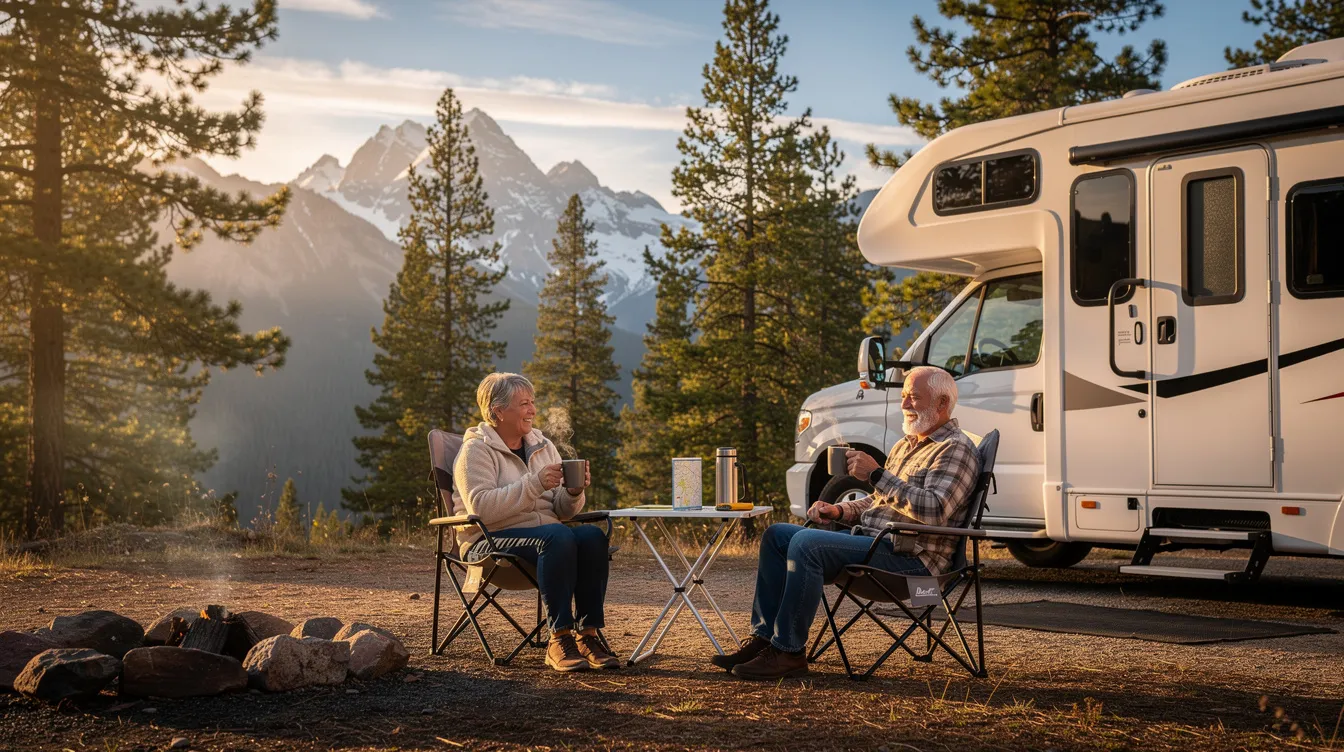
Common motivations for retirees: exploring the country without a deadline, simplifying possessions, dodging harsh winter months, staying closer to family members scattered across the map, or stretching savings by reducing housing costs. Traveling full-time in an RV offers freedom and adventure, but it requires honesty about the trade-offs.
The emotional arc follows a pattern. Months one through three bring excitement and occasional overwhelm: a blown fuse, a wrong turn down a road too narrow for your rig, homesickness hitting at 2 a.m. By months four through six, routines start forming. By month seven and beyond, favorite campgrounds, preferred routes, and a loose home base emerge. RV full time does not mean constant motion. Many successful full time RVers stay a month or more at one park and return to familiar regions regularly.
Pre-Launch Checklist for Your First Year of Full-Time RV Living
Print this or screenshot it. Work through each item before you pull out of the driveway.
Finances
- List current monthly expenses (mortgage, utilities, taxes, groceries, insurance, healthcare, leisure).
- Estimate your RV living budget using the cost categories in the next section.
- Set aside a dedicated maintenance fund for unexpected RV repair costs; many planners suggest having at least $3,000 to $7,000 accessible. Consult a financial professional for your specific situation.
Choosing Your Rig
- Research RV types for full-time living before purchase: motorhomes (Class A, B, C), fifth wheels, travel trailers.
- Rent an RV of similar size for a 1 to 3 week trial trip to test the floor plan, driving comfort, and whether full time RVing fits.
- Match size and layout to your mobility, comfort needs, and any pets or hobbies.
Legal and Logistical
- Choose a domicile state with professional guidance (popular options include Texas, South Dakota, and Florida).
- Arrange mail forwarding or designate a trusted family address.
- Update driver’s licenses and vehicle registrations as needed.
Insurance
- Review options for full-time RV insurance that treats your rig as a primary residence.
- Confirm health insurance portability across states.
- Set up travel-friendly prescription refills (90-day supplies, nationwide pharmacies, mail order).
- Arrange roadside assistance for your rig class.
Downsizing
- Start 6 to 12 months before departure: sort by room into take, store, gift, donate, sell.
- Measure RV storage spaces before packing. Limited space in an RV encourages a minimalist lifestyle. Digitize documents to save physical space.
- Schedule an estate or moving sale if appropriate.
Connectivity
- Research cellular-based internet options and signal boosters.
- Test coverage maps around likely travel regions. Investing in a good hotspot is essential for staying connected.
- Practice video calls with loved ones from a campground or parking lot.
Health and Safety
- Compile a travel medical file with prescriptions, allergies, emergency contacts.
- Schedule routine checkups, dental exams, and key procedures before departure.
- Prepare an emergency contact plan accessible to family members.
Choosing the Right RV for Full-Time Retirement Living
The right RV depends on your mobility, driving confidence, pets, hobbies, and budget. No single rig works for everyone.
Motorhomes vs. Towables
| Feature | Motorhome (Class A/B/C) | Towable (Fifth Wheel / Travel Trailer) |
|---|---|---|
| Driving | Self-contained; drive and live in same vehicle | Requires a tow vehicle; can disconnect truck at camp |
| Space | Class A and C offer more room; Class B is compact | Fifth wheels are popular for full-time living due to residential layouts |
| Stairs/Access | Class B has fewest stairs; Class A varies | Fifth wheels often have more stairs |
| Storage | Varies by model | Large basement storage in many fifth wheels |
| Fuel | Higher fuel use, especially Class A | Truck fuel plus trailer weight |
Fifth wheels are popular for full-time living because they offer more room, separate bedrooms, and a residential feel. Solo retirees or those who prefer easier driving often choose Class B vans or compact trailers. RV size affects travel and campsite options; a 40-foot rig will not fit in every national park campground.
Choose RV layouts based on daily life needs: where you cook, sleep, work, and relax. Tank size is crucial for boondocking lifestyles, so check fresh water and waste tank capacities if you plan to camp on public lands.
Rent vs. Buy
Renting a similar-size RV for a 1 to 3 week trial trip lets you test whether a particular floor plan, driving style, and the RV lifestyle itself actually fit before you invest in a purchase.
Consider accessibility: wide doorways, minimal steps, bathroom layout, bed height, and room for mobility aids. Have any used RV professionally inspected before purchase, paying special attention to the roof, slides, plumbing, and electrical systems. Consult a financial professional before taking on loans or large withdrawals to buy a rig.
Understanding Real Costs and Budgeting for RV Full Time
Full time RV living costs vary widely. Reports from full-time retired couples in 2025 show a typical range of about $1,500 to $3,500 per month, with a median near $2,750. Here are the major categories:
- Campsite or park fees: Monthly RV site rent can exceed $1,000 in popular areas. Long-term or seasonal rates often run lower. Budget roughly $600 to $1,200 per month depending on location and amenities.
- Fuel: Fuel costs can reach $100 or more on a long travel day. Slower travel pace and longer stays reduce this line item.
- Groceries and dining: Expect $400 to $1,000 per month for groceries depending on where you shop. Grocery stores in small towns may cost more than big city chains.
- Insurance: RV policy plus health coverage combined can run $350 to $600 per month. Full-time RV insurance costs depend on rig class, age, and coverage.
- Internet and connectivity: Cellular plans, hotspots, and satellite options run $70 to $165 per month.
- Laundry: Laundry costs can range from $60 to $70 monthly using campground facilities.
- Maintenance and repairs: RV maintenance costs can add up to $1,000 or more annually for routine care. A single tire set or major repair can cost several thousand dollars.
Traveling too fast can negatively impact expenses and mental well-being. Moving every few days burns more fuel and racks up higher nightly rates. Staying a month or a full season in one park can cut average campground costs by half or more. Many RV parks offer monthly rates for longer stays.
Track actual spending during the first 3 to 6 months and adjust your travel plans rather than relying on pre-trip guesses. Tax considerations (domicile, state income taxes) matter too, but consult a qualified tax professional for your specific situation.
Domicile, Mail, and “Home Base” While Living in an RV
Your domicile is the legal state you call home for taxes, voting, vehicle registration, and insurance decisions. Establishing a domicile is necessary for legal residency and mail services while RVing.
Popular domicile states among full time RVers include South Dakota, Texas, and Florida, which have no state personal income tax and relatively straightforward vehicle registration processes. Laws change, so verify current requirements and consult a professional before making this decision.
Mail options:
- USPS mail forwarding from your old address (temporary).
- A dedicated mail forwarding service in your domicile state, some of which scan envelopes so you can decide what to open.
- Having trusted family members handle time-sensitive items and notify you.
A home base allows for easier access to mail and packages. Even if you are legally nomadic, returning regularly to a familiar RV park, a seasonal site, or family property gives you a place to reset, handle medical appointments, and feel grounded. Establishing a home base can provide stability and community, and many folks who last more than three years on the road have at least one region they circle back to.
Insurance, Healthcare, and Prescriptions on the Road
This section provides general information only; it is not legal, financial, or medical advice. Speak with licensed agents and healthcare professionals.
Full-time RV insurance goes beyond standard auto coverage. It treats your camper as a primary residence, adding personal property protection, liability while parked, and loss-of-use coverage if the RV is in the shop. Coverage requirements vary by state, so compare policies from multiple insurers and confirm they understand your rig will be used for full time RV living.
Original Medicare (Parts A and B) works anywhere in the U.S. with participating providers. Medicare Advantage plans often restrict you to a local network; non-emergency care outside that network may not be covered. If you plan to travel widely, verify how emergency and urgent care visits are handled in other states.
For prescriptions: request 90-day refills when possible, use nationwide pharmacy chains or mail order, and plan travel around refill dates to avoid running out in remote areas. Schedule routine checkups (eyes, dental, annual physicals) during predictable times at or near your home base, and have a plan for follow-up if results require additional care.
Downsizing, Storage, and Setting Up a Cozy Small Space
Letting go of decades of possessions is one of the hardest parts of preparing for RV full time life. Start 6 to 12 months before launch. Downsizing is essential for living comfortably in an RV.
Step-by-step approach:
- Sort room by room: take, store, gift to family members, donate, sell.
- Measure every cabinet, closet, and storage bay in your RV.
- Focus on multi-use, lightweight items. Using collapsible and multi-use items can maximize limited storage.
- Apply the one-in-one-out rule: every new item brought into an RV requires something else to be removed.
Keep a small storage unit near your home base for heirlooms, or leave them with family. Photograph sentimental items before letting them go.
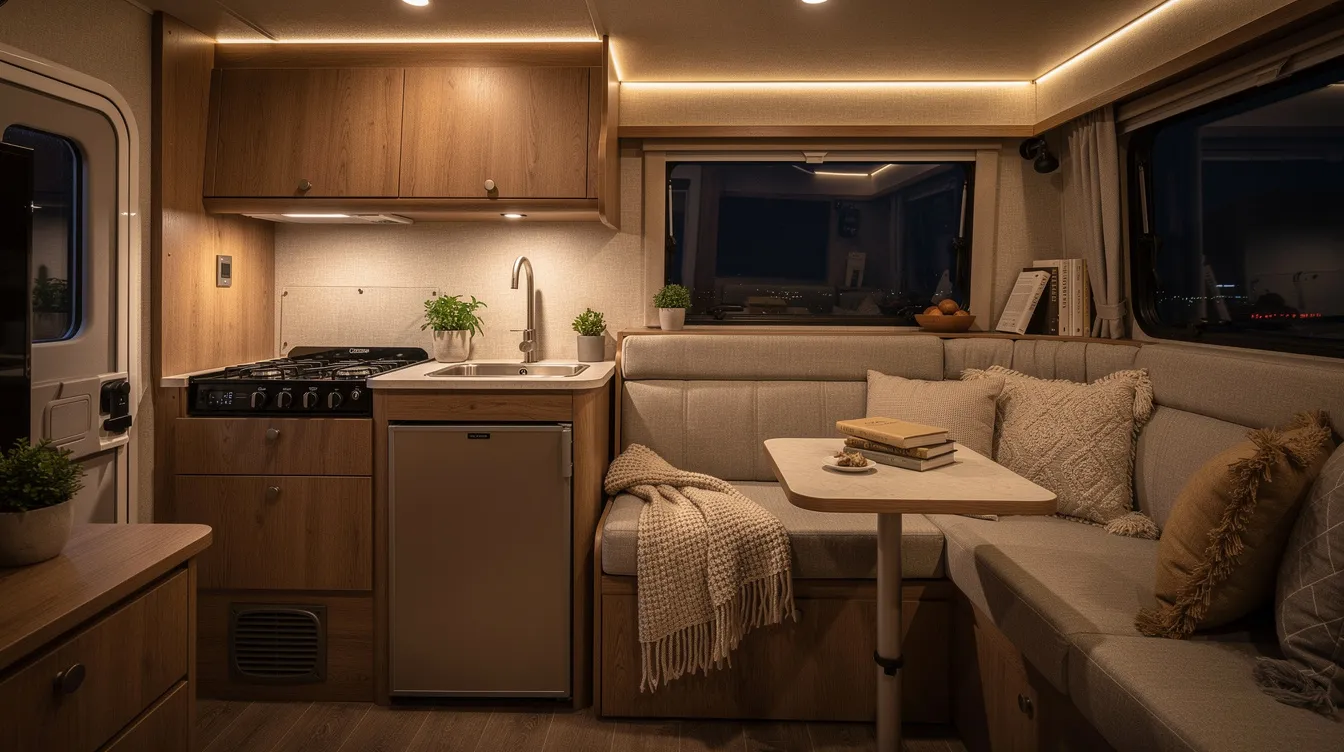
Making the RV feel like home matters: a few framed photos, a comfortable mattress upgrade, good reading lights, and familiar bedding. Keep clutter minimal. Many retirees find it easier to start with slightly more than they think they need, then remove items after the first 3 to 6 months based on what they actually use.
Campground Options, Long-Term Stays, and Finding a Home Base Rhythm
Where you park shapes your daily experience, your budget, and your sense of community.
Private RV parks offer full hook ups, laundry, Wi-Fi, and sometimes clubhouses. Prices vary; resort parks in popular areas can charge $929 to over $1,000 per month for lot rent plus electricity, according to Kiplinger.
Public campgrounds in national parks, state parks, and county facilities tend to cost less per night and offer more natural surroundings, but often limit how long you can stay and may have fewer hookups. Popular campground locations can book up well in advance; reserve early for summer and holiday weekends.
Boondocking means camping without electricity or water hookups on public lands or certain designated areas. The BLM’s Long-term Visitor Areas allow camping up to 180 days. Boondocking requires careful management of water, solar or generator power, and waste. It is easier in mild weather and with adequate tank capacity. Space heaters can reduce propane usage in colder climates when you do have some power access.
Moochdocking involves staying in friends’ or family members’ driveways for a few nights, saving money and catching up with loved ones.
Many retirees rotate between a few favored regions: summers in the northern states, winter months in the Southwest or Southeast. This seasonal rhythm gives you the fun of new places without the fatigue of constant travel.
Staying Connected: Internet, Phones, and Family
Staying in touch with family, doctors, and financial institutions is critical for retirees living in an RV full time. Reliable internet can be challenging to obtain while living in an RV. Campground Wi-Fi is often too slow for video calls or streaming.
Most full time RVers rely on cellular-based internet: a smartphone hotspot or dedicated hotspot device, sometimes paired with a signal booster for weak coverage areas. Investing in a good hotspot is essential for remote work or even reliable video calls with grandchildren.
Check coverage maps for your likely travel routes. Test connectivity in a few nearby campgrounds before committing to a long trip across the country. If one carrier is weak in an area, a backup option on a different network helps.
Stay socially connected through regular video calls with family, group chats, photo sharing, and routing your travel plans near children, grandchildren, or old friends for in-person visits. Online groups and forums for full time RVers provide both social contact and practical tips on RV life and new places to explore.
Loneliness, Community, and Emotional Well-Being on the Road
Freedom and isolation live in the same RV. Living in an RV can lead to social isolation and difficulty maintaining family connections, especially in the first six months when old routines are gone and new ones have not formed yet. Many RVers report feeling a strong sense of community once they find their rhythm, but that takes effort.
Ways to build community:
- Attend campground potlucks, game nights, or holiday gatherings.
- Joining local RV clubs can help mitigate feelings of isolation. Organizations like Escapees and Good Sam host rallies and regional meetups.
- Volunteer at campgrounds or local nonprofits during longer stays.
- Return to the same seasonal park each year to build recurring friendships.
If you are traveling with a partner, talk openly about expectations for alone time, social time, and how often to visit family or head back to a home base. Solo RVers should plan more deliberate social contact.
It is normal to question the decision during the first year. Set a planned check-in date, say at month 12, to calmly evaluate whether the RV lifestyle still fits rather than making decisions during a moment of frustration. Contact a healthcare professional promptly if you notice signs of depression or anxiety, especially when far from your usual support systems.
Maintenance, Repairs, and Learning Your Rig
Every RV, new or used, will need regular maintenance and occasional repairs under full-time use.
Routine tasks to learn:
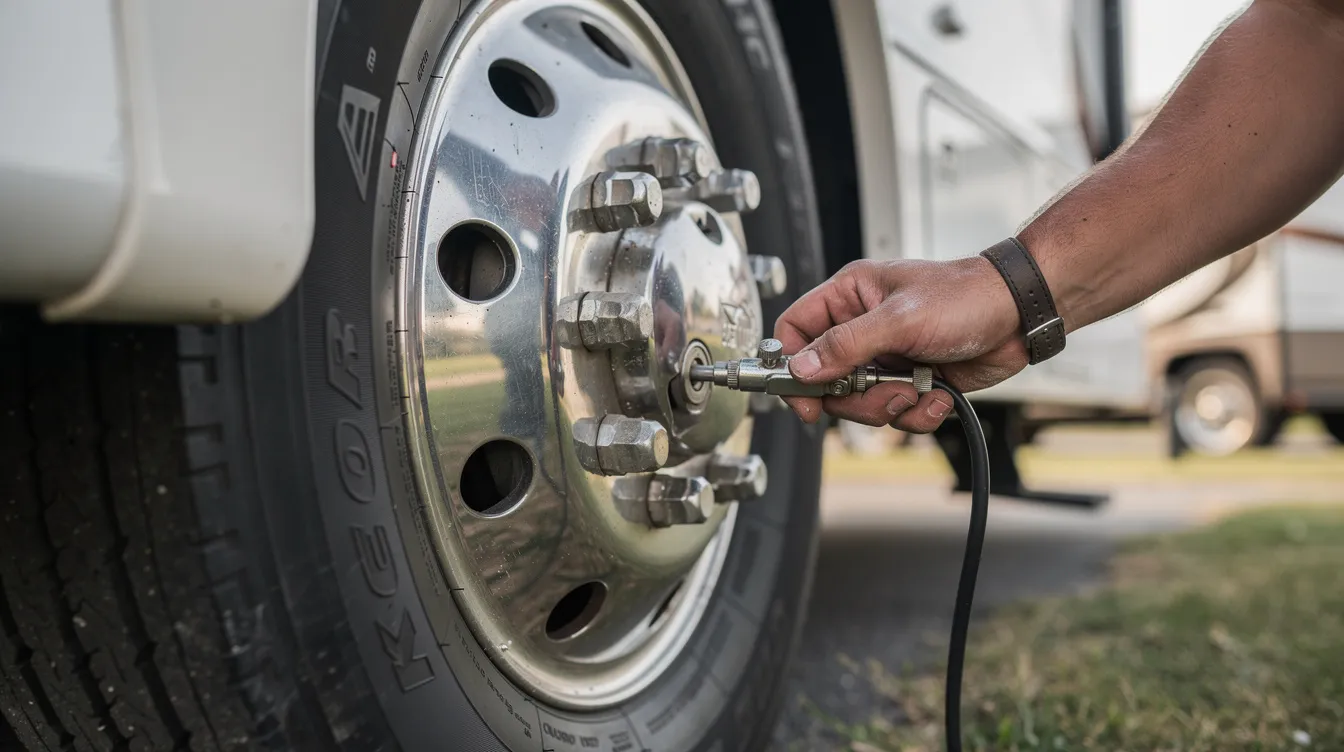
- Checking tire pressure before travel days
- Monitoring roof seals (sealant degrades every few years)
- Inspecting slide mechanisms and seals
- Sanitizing the fresh water system
- Understanding basic fuse and breaker functions
- Planning routes using RV-specific GPS apps to avoid low clearances and weight-restricted bridges
Understanding RV systems such as water and electrical systems is crucial before hitting the road. Assemble a basic tool kit with spare bulbs, fuses, hoses, and filters. Read the manuals for your RV, appliances, and generator.
Antifreeze prevents pipes from freezing in cold weather; keep some on hand if you travel in winter. RV maintenance costs can add up to $1,000 or more annually for routine care alone, and a major repair (roof, engine, generator) can cost several thousand more. Schedule annual checks for brakes, bearings (for towables), and roof condition. Keep contact information for mobile RV technicians and repair shops along popular routes.
Consider taking a hands-on RV training course before launch. Reputable instructional videos help build confidence for basic repairs, but avoid attempting complex work beyond your comfort level.
Your First-Year Timeline: Months 1 to 3, 4 to 6, and 7 to 12
Months 1 to 3: The Learning Curve
Everything is new and some of it is stressful. You are learning to back a 35-foot rig into a campsite, operate a dump station without incident, manage hook ups in the dark, and figure out route planning with RV-specific GPS. Emotional swings between exhilaration and stress are normal. Keep travel days short and stays longer. Many folks who succeed as first time full time RVers stay relatively close to their old home base during this stretch, so that familiar providers, family, and a sense of safety remain within reach. Budget numbers will likely overshoot your estimates; treat these months as research, not failure.
Months 4 to 6: Growing Confidence
Patterns emerge. You know which grocery stores carry what you need. You have sent extra items to storage or family. Your budget reflects real numbers instead of guesses. You are experimenting with different campground types, maybe testing boondocking for the first time or settling into a monthly park rate.
Schedule pause weeks at one campground to catch up on maintenance, mail, appointments, and rest. These recharge stops are not wasted time; they save money and prevent burnout. By now you have a clearer sense of whether you prefer more room in a larger rig or the easier maneuverability of a smaller one.
Months 7 to 12: Finding Your Rhythm
Favorite routes reappear. You know where you want to spend winter and summer. RV friendships and community ties are forming. You handle minor repairs with less panic and more confidence. This is the time for a formal review: compare actual first-year finances to your original budget, assess your health and healthcare access, and honestly evaluate your happiness with the lifestyle. Decide whether to continue full time, shift to part-time seasonal travel, or establish a more permanent home base for the years ahead. Neither choice is wrong.
FAQ About Full-Time RV Living for Retirees
Is Full-Time RV Living Cheaper Than Staying in a House?
It can be. Retirees who travel slowly, stay in affordable long-term parks, and own their rig outright may spend less than in a traditional home. Those who move frequently, prefer resort-style parks, or carry RV payments may spend a similar amount or more. Full-time RV living can cost more than renting in many cases. Compare a realistic RV budget with your current housing and lifestyle costs and consult a financial professional before making major decisions.
Can I Try RV Life Without Selling My House?
Many retirees begin by renting an RV for several weeks or doing seasonal trips while keeping their house. This lets you test the lifestyle before committing. You might arrange house-sitting, short-term renters, or simply leave the home vacant for a trial period. Review your homeowner’s insurance and local regulations with appropriate professionals before doing so.
What If I Have Ongoing Medical Needs or Specialist Appointments?
Retirees with regular specialist care often plan their travel around appointments, returning to a home base city or region once or twice a year. Discuss your travel plans with healthcare providers ahead of time, ask about telehealth options, and verify which out-of-area facilities are covered by your insurance.
Is It Safe to Drive a Large RV as I Get Older?
Many retirees safely drive motorhomes or tow fifth wheels well into their 70s, but honest self-assessment is crucial. Consider reaction time, vision, comfort with large vehicles, and fatigue. Take a professional RV driving course, limit daily miles to around 150 to 250, avoid night driving, and schedule frequent rest breaks. Talk with your healthcare provider if you have concerns about driving ability.
What If I Decide Full-Time RV Living Is Not for Me After a Year?
Changing your mind is normal, not a failure. Full time RVing can still be a meaningful season of life even if it lasts only a year or two. Plan an exit strategy before launch: know where you might live afterward and what you would do with the RV (sell, store, convert to part-time use). Having that plan in place makes shifting back to a more traditional home far less stressful if you choose that path. Prepare for either outcome, and you will feel lucky to have given yourself the chance to explore.
Disclosure: Some of the links in this article may be affiliate links, which can provide compensation to us at no cost to you if you decide to purchase. This site is not intended to provide financial advice. You can read our affiliate disclosure in our privacy policy.
