
Leisure Activities for Retirees: Enjoyable Ways to Fill Your Days With Purpose and Fun

Finding Your Rhythm in the First Year of Retirement
You handed in your badge, cleared the desk, maybe even had a little party. And now it’s a Tuesday morning and you’re standing in your kitchen thinking, “What do I actually do all day now?” If that sounds familiar, you’re in good company. Many retirees go through a period where the freedom feels exciting and slightly disorienting at the same time, and exploring new leisure activities can help fill those days with meaning and purpose.
Here’s the thing: leisure activities for retirees aren’t homework. They’re not self-improvement projects or items to check off a list. They’re choices that can make daily life more grounded and a happy retirement feel genuinely yours. Retirement offers opportunities to explore passions that bring relaxation and joy-on your own terms and your own schedule.
This article covers a range of leisure activity ideas for retirees across social, creative, physical, and mentally stimulating categories. Think of it as a menu, not a mandate. A combination of active, creative, social, and learning hobbies maintains health and enjoyment, and we’ll help you find the mix that fits your retirement life and daily routines.
Consider someone who left a demanding corporate job recently. They swapped a 90-minute commute for a twice-weekly walking group and a small book club at the local library. Within a few months, they had more energy, new friendships, and a rhythm to their week that felt both relaxed and purposeful. That kind of shift is available to you, too.
Start Here: Quick, Low-Pressure Ideas You Can Try This Week
Before you map out the next five years of activities, try something small this week.
- Head to your local library and attend one event
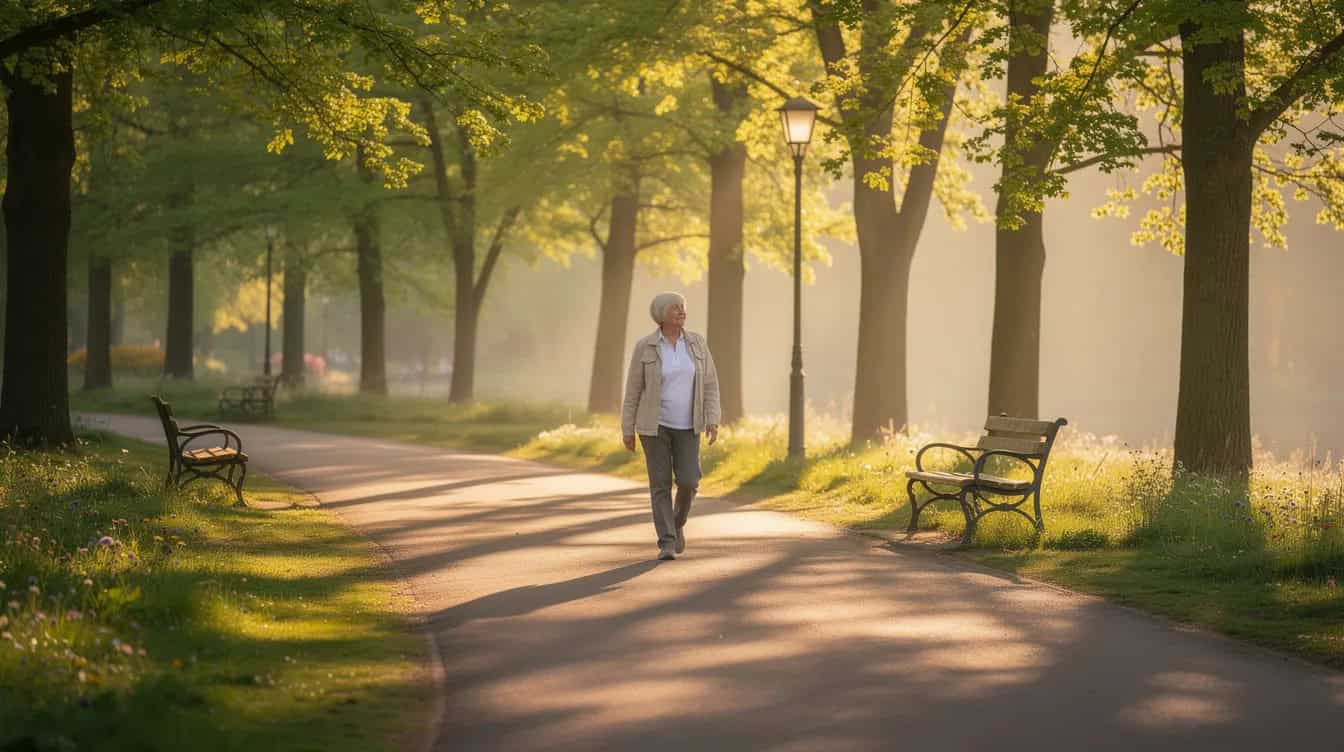
- Take a 20-30 minute walk three mornings this week
- Phone a friend and lock in a recurring coffee or lunch date
- Spend one afternoon with an old hobby gathering dust
- Try one free lesson on a platform like Coursera
- For limited mobility: try chair yoga, an online word game, or a language app
For anyone with limited mobility, try chair yoga via YouTube, play an online word game with a friend, or start learning a foreign language through an app-all from a comfortable seat. The point here is “try once and see.” Nothing needs to become permanent. You’re just testing new hobbies to see what sticks.
Social Activities: Book Clubs, Meetups, and Easy Ways to Find Your People
Loneliness after leaving work is more common than most people admit. A 2025 AARP survey found that 40% of adults aged 45 and older report feeling lonely-up from 35% in 2018. For recent retirees, the loss of a workplace social circle can be jarring. Leisure Social hobbies are one of the best activities for retirees to rebuild those social connections and protect your well being.
Joining a book club is a great leisure activity for retirees, and a wonderful way to start. It gives you gentle structure-one book per month, one gathering to look forward to. Pick a theme that excites you: mysteries set in Europe, memoirs, or a 20th-century history series. Many libraries and independent bookstores host monthly groups, and online book clubs via Zoom have grown steadily since 2020. Joining a book club enhances social connections and reading enjoyment, and participating in book clubs encourages a deeper understanding of literature. Reading and book clubs provide mental stimulation and social interaction at the same time.
Other Social Activities
Beyond reading, consider walking clubs, card nights with bridge or poker, movie groups, or joining a local theater company-participating in local theater productions fosters community connections in ways you might not expect. Video chat and online communities can help maintain long-distance friendships when your people are spread across the country.
To find groups, check library calendars, senior center websites, Meetup.com, or neighborhood Facebook groups. Many communities also list events through parks departments. If you’re more introverted, start with a smaller group, or try an online gathering where you can keep your camera off at first. Joining gaming groups fosters social connections and mental engagement, even for people who prefer quieter social interaction. Staying socially engaged and physically active improves quality of life as people age, and social engagement doesn’t need to be loud or large-scale to count.
Gentle Movement and Outdoor Hobbies for Better Physical Health
Retirement is a good time to protect your physical health with movement you genuinely enjoy-not a boot camp, not a punishment. The goal is to stay active in ways that feel good, and the CDC recommends at least 150 minutes a week of moderate physical activity plus muscle-strengthening and balance work for older adults. That sounds like a lot, but a 30-minute walk five days a week gets you there.
Walking is the simplest entry point and one of the most popular retirement hobbies. Walking and hiking improve mental health and social connections, and research suggests that walking for 45 minutes benefits the brain more than puzzles. Try safe, familiar routes with a walking buddy or a local senior walking group for both physical exercise and conversation.
“For something more social, consider these popular leisure activities for retirees.“
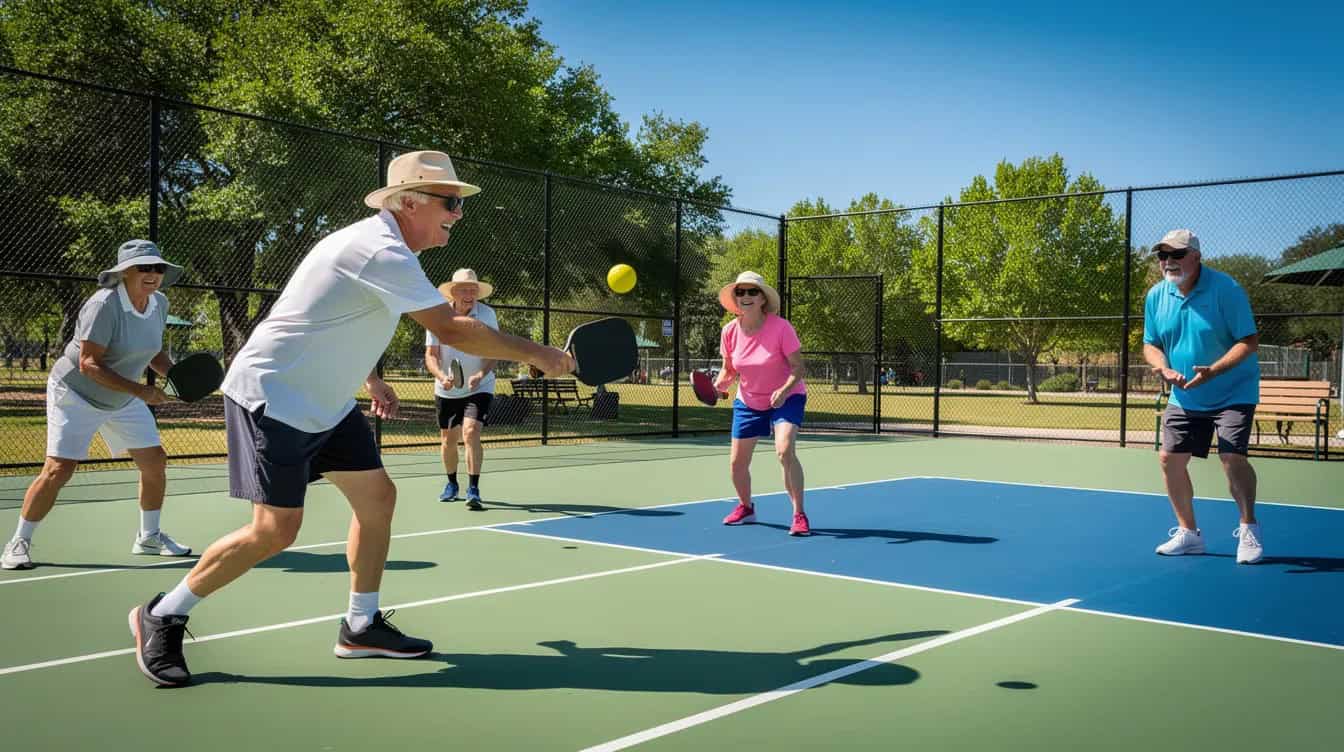
- Pickleball — the fastest-growing sport among seniors; smaller court than tennis, adaptable pace, welcoming community
- Swimming and water aerobics — ideal for joint health and cardiovascular fitness, perfect for arthritis or back issues
- Bicycling — improves cardiovascular health, reduces stress, low-impact for covering more ground
- Yoga and tai chi — enhance flexibility and mindfulness, available in seated or standing versions
Dancing may reduce dementia risk and is a joyful way to keep fit, and it’s far more fun than a treadmill. Even martial arts like gentle tai chi classes count. For those with limited mobility, chair exercises and balance classes offer real physical wellness gains without strain. Pick the movement that makes you smile.
Creative Outlets: Writing, Art, Music, and Crafts
You spent decades being defined by a job title. Creative pursuits let retirees explore leisure activities and who they are beyond that. You don’t need to be “talented.” You just need to be curious.
Writing can help seniors express themselves and reflect on life. It can be a cathartic and invigorating creative outlet-whether that means memoirs about decades of work and family, short essays, letters to grandchildren, or a five-minute daily journal. Writing can be a fulfilling creative outlet for retirees at any skill level, and local writing groups or community college classes each fall offer companionship along the way.
Visual Arts, Music, and Crafts
Painting offers a deeply satisfying experience for self-expression. Visual arts like drawing, adult coloring books, photography, or pottery give you a tangible result to hold. Start small: a postcard-size watercolor each Sunday, a sketch of your morning coffee cup. Photography is a popular hobby that enhances cognitive skills, and photography enhances cognitive skills and memory retention. It also encourages creativity and physical activity outdoors when you bring your camera on walks.
Learning a musical instrument improves cognitive health and memory. Whether you’re returning to piano or picking up a ukulele for the first time, joining a choir, learning an instrument, or attending concerts can be enjoyable and deeply satisfying. Voice lessons are available at many local arts centers, and beginner classes welcome people at every level. Art and creative classes provide cognitive stimulation and a relaxed atmosphere, which is exactly the spirit you want.
Among popular hobbies in crafts, consider knitting, quilting, woodworking, jewelry making, soap or candle making, or scrapbooking. Arts and crafts encourage creativity and can be shared in classes or clubs. Many senior women and men have found that inexpensive starter kits and community craft circles make it easy to begin. Pick one creative outlet to test over a month, schedule two or three relaxed “play” sessions per week, and let yourself enjoy the process. This is a rewarding hobby precisely because there’s no boss evaluating your output.

Mentally Stimulating Retirement Hobbies: Learning New Things at Your Own Pace
Keeping your brain active in retirement doesn’t require going back to school full-time. Even casual mental engagement-puzzles, reading, learning new skills-supports long term cognitive health. A major study of over 93,000 people aged 65 and older found that regular hobby engagement is linked to fewer depressive symptoms and better self-reported health across 16 countries.
Online learning has expanded dramatically. Online courses from platforms like edX and Coursera offer free or low-cost university-level classes in history, science, art, and more. These online learning opportunities for seniors are widely available, and many local colleges provide senior-focused programs with reduced tuition for those over 60. Many retirees take classes to pursue new interests and engage socially, and online classes make it possible to explore from your living room.
Learning a foreign language is a practical, fun challenge. Using apps like Duolingo or Babbel for 10-15 minutes a day builds satisfying progress over weeks. Learning a second language can stave off mental decline, and conversation meetups focused on Spanish, French, or Italian give you a chance to practice a new language with real people. Reading regularly helps keep the mind active and engaged, and pairing a reading habit with a structured topic-World War II history, astronomy, art history-makes it even richer.
Genealogy is a rewarding leisure activity for retirees to trace family history. Sites like Ancestry.com let you research your family tree from home, combining detective work with storytelling. Chess, crosswords, and logic puzzles are other intellectually rich options that sharpen cognitive skills. The key to healthy aging through mental activity is choosing topics you actually care about, not what you think you “should” learn. Go at your own pace and follow your curiosity. These cognitive health benefits come from engagement, not perfection.
Nature-Based Activities: Gardening, Bird Watching, and Gentle Outdoor Adventures
Spending time outdoors does something for your mood that indoor activities can’t quite match. Research from UCLA Health suggests that even two hours a week in nature correlates with better mental health and reduced stress. Outdoor hobbies offer fresh air, gentle movement, and a pace that suits retirement perfectly.
Gardening is a rewarding hobby that enhances physical and mental health. You don’t need a big yard-container gardens on balconies, raised beds for easier access, or community garden plots all work. Growing herbs, salad greens, or favorite flowers connects you to seasonal rhythms. Gardening provides exercise and promotes healthy eating habits, and gardening enhances physical health and provides fresh produce you can share with neighbors. Joining gardening clubs nurtures friendships and provides gentle physical activity alongside the digging.
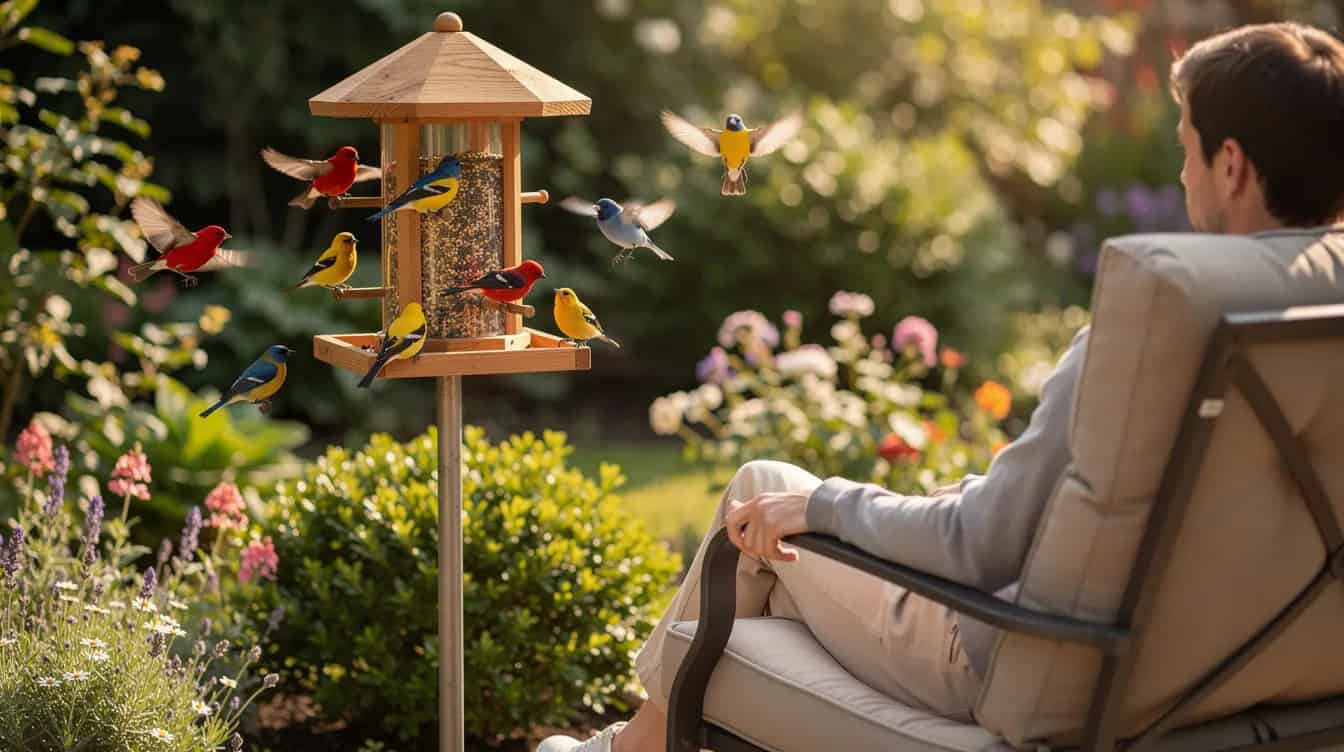
Bird watching combines exercise with nature observation and requires almost no equipment to start. Grab a basic field guide or download a free bird-ID app, set up a feeder on your patio, and keep a simple notebook of sightings. Gentle group bird walks organized by local Audubon chapters or park departments are a calm, social way to spend a morning.
Other leisure outdoor activities for retirees include short nature walks, easy park picnics, stargazing on clear summer nights, or scenic drives with stop-and-walk viewpoints. For anyone with mobility concerns, benches along walking paths, paved trails, and using binoculars or a camera from a seated position keep these experiences accessible. Imagine a quiet morning loop around a pond, the sound of birdsong, the smell of damp soil-these small moments are what this chapter of life is for.
Group Activities and Clubs: From Book Clubs to Hobby Circles
While we covered social connections earlier, let’s talk specifically about organized clubs and recurring groups built around hobbies for seniors. These offer something unstructured socializing can’t: a reason to show up at the same time each week or month, surrounded by like minded individuals who share your interest.
Many communities host a diverse array of leisure activities and clubs you can join with minimal fuss. Monthly book clubs at libraries or cafes. Photography clubs that meet for outings and critique nights. Walking groups with clearly marked “easy,” “moderate,” and “more challenging” options. Card and board-game groups-bridge, mah-jongg, chess clubs-are thriving in many a retirement community and senior center. Playing board games and puzzles keeps the mind sharp while giving you something to laugh about together. Choir rehearsals, model train meetups, and gardening societies round out the picture.
To find a group, ask at senior centers, faith communities, and parks departments. If nothing fits, start one yourself: post a simple notice on a community board or Nextdoor for a “Tuesday morning reading group” or “slow-paced walking circle.” Joining clubs is simpler than it seems.
When picking a group, think about your temperament. Do you prefer three people or thirty? Morning or evening? Weekly or monthly? And if walking into a room of strangers feels intimidating, remember: everyone there was new once. Most groups are thrilled to welcome a fresh face.
Volunteering and Helping Others Without Burning Out
Volunteer work is a fulfilling activity that gives structure and meaning to your week-but it should still feel like a choice, not an obligation. Many retirees find fulfillment in donating their time to causes they care about, and volunteering provides emotional benefits and a sense of purpose that few other hobbies match.
Flexible roles make all the difference. Consider reading with children at a local school once a week, helping at a food bank or community kitchen for a few hours a month, or serving as a museum guide after brief training. Volunteering can include mentoring children or supporting veterans through established organizations. AmeriCorps offers flexible volunteer opportunities for retirees who want structure without rigidity.
For those who prefer to help from home, phone check-in programs for isolated seniors, virtual tutoring through nonprofits, or sewing and knitting items for hospitals and shelters all use existing skills in meaningful ways. Volunteering connects retirees with like minded individuals, and it often deepens emotional health and gives you a greater sense of connection to your neighborhood.
Start small-try a one-time event in 2026 before committing to a weekly shift. Choose causes you genuinely care about, not just what sounds “worthy.” And set boundaries: if a volunteer position becomes draining rather than energizing, it’s perfectly fine to step back or switch roles. Your retirement time is still yours. The goal is a fulfilling activity, not a second career.
Home-Centered Comforts: Indoor Hobbies for Cozy Days
Not every good day involves leaving the house. Rainy afternoons, extreme heat, limited mobility, or simply wanting quiet time-these are all fine reasons to settle into indoor comfort.
Cooking and baking are natural fits. Engaging in cooking and baking classes refines culinary skills, but even trying one new recipe each Sunday night at home builds cooking skills and keeps things interesting. If you’ve ever wanted to brew your own beer or perfect a sourdough recipe, now’s the time.
Crafts like knitting, crochet, quilting, and simple sewing projects are leisure activities for retirees that are absorbing and portable. Puzzles-jigsaws spread over a week, daily crosswords, Sudoku-provide calm focus. And yes, watching TV counts as leisure too, especially if you’re intentional about it. Working through a classic film series or a documentary collection gives shape to screen time. Restoring classic cars in the garage is another deeply engaging option among other hobbies for those who like working with their hands.
Memory-preserving projects deserve special mention. Scrapbooking, organizing digital photos, or assembling printed photo books for family members creates something tangible for future generations. Board games with a partner or visiting friends combine fun with mental sharpness.
Create a “comfort corner” at home-a favorite chair with good lighting, a small table, and supplies for your chosen hobby within reach. Quiet indoor time can be just as satisfying as busier activities outside.
Couples and Family-Friendly Activities: Enjoying Retirement Together
If you share your days with a spouse or partner, retirement is a chance to rediscover each other outside the context of work stress and packed schedules. Weekly “date walks,” coffee outings, or taking a class together-cooking, dance, or a foreign language you both want for travel-can re-energize the relationship. Shared projects like gardening, home redecorating, or learning a musical instrument side by side give you something to talk about besides logistics.
With grandchildren, establish a standing “grandparent day” once or twice a month. Baking cookies together, building craft projects, board games on the living room floor, or park visits with a scavenger hunt create memories both generations will carry. Simple outdoor adventures like local zoo trips or stargazing nights with hot chocolate don’t cost much and feel special.
For balance, set aside certain mornings for solo hobbies, then regroup for lunch or an afternoon activity. You don’t have to spend time together every waking hour to enjoy retirement together-some breathing room makes the shared moments better.
And don’t forget travel: 99% of Baby Boomers will take at least one leisure trip annually, and participating in travel groups allows for exploration with peers. Even day trips to nearby towns or museums scratch the travel itch without requiring a passport.
Online and Tech-Friendly Hobbies for the Digital-Curious Retiree
If technology feels intimidating, you’re not alone. But many online classes and digital tools are genuinely simple, and the payoff-connection, creativity, learning-is worth the small learning curve.
Start with what interests you most. Online courses in history, art, or health are available on platforms designed for beginners. Virtual book clubs and discussion groups via Zoom let you participate from your couch. Language apps and brain-training games are designed to be picked up in short daily sessions.
Creative digital hobbies have a low barrier to entry. Digital photography and basic editing on a tablet or smartphone turns a casual walk into a creative project. Digital art apps let you sketch or paint without any mess. Some retirees have started simple blogs or private family websites to share stories and photos-a modern form of the family newsletter.
Practical steps help: ask a tech-savvy friend or grandchild for one-on-one help with setup. Many libraries and community centers offer beginner tech classes specifically for older adults. And keep online safety basics in mind-strong passwords, avoiding suspicious links, sticking to trusted sites. These precautions help you feel confident rather than anxious.
The point of digital tools isn’t to “keep up” with younger generations. It’s to access enjoyment, connection, and creativity that happens to live on a screen.
Matching Activities to Your Energy, Budget, and Mobility
Retirees planning for leisure activities should ignore reality. Your energy varies day to day. Your budget may be tighter than it was during your working years. Your physical abilities may have shifted. The trick is choosing retirement hobbies that fit your actual life, not an idealized version of it.
Right-sizing matters. A love of travel doesn’t require international flights-it can mean day trips to nearby towns, scenic drives, or museum visits. Outdoor adventures range from national park trails to a shaded bench with binoculars. Financial planning for leisure means knowing your limits: you don’t need enough money for expensive memberships when library resources, community concerts, volunteer-led classes, and city parks programs are free or nearly so.
For reduced mobility or chronic conditions, adaptations open doors. Chair yoga, water exercise, seated music-making, and art projects on a table all work. Adaptive tools in gardening-raised beds, ergonomic grips-make a rewarding hobby accessible. Even a gentle walk at your own pace counts.
Build a weekly mix that covers different needs: one social outing, one movement-based activity, one quiet creative or learning session, and one “just for fun” block. Add items from your retirement bucket list when energy allows. The goal of successful aging through leisure isn’t to pack every hour-it’s to find a rhythm that feels sustainable and genuinely enjoyable. There’s no single right way to do this.

Putting It All Together: Designing a Week You Look Forward To
Imagine a week that looks something like this. Monday morning, a 30-minute walk through your neighborhood followed by an afternoon online learning session on Roman history. Wednesday, a book club meeting at the library or lunch with friends at your usual spot. Friday, a creative block-an hour of painting, writing, or noodling on guitar. Saturday, a family visit or a quiet afternoon with a jigsaw puzzle and a cup of tea.
That’s not a rigid schedule. It’s a loose sketch-a retirement lifestyle with room to breathe. Some weeks you’ll do more, some less. The rhythm matters more than the rules.
Pick two or three ideas from this article and test them over the next two weeks. Keep what feels good. Change or drop anything that doesn’t bring you energy. Your overall well being depends not on doing everything, but on doing enough of the right things.
This stage of life is earned. Leisure activities aren’t about proving anything to anyone. They’re about savoring the time you have-filling it with people, movement, curiosity, and quiet pleasures that make each day feel like it belongs to you.
Disclosure: Some of the links in this article may be affiliate links, which can provide compensation to us at no cost to you if you decide to purchase. This site is not intended to provide financial advice. You can read our affiliate disclosure in our privacy policy.
