
The Personal Brand of You
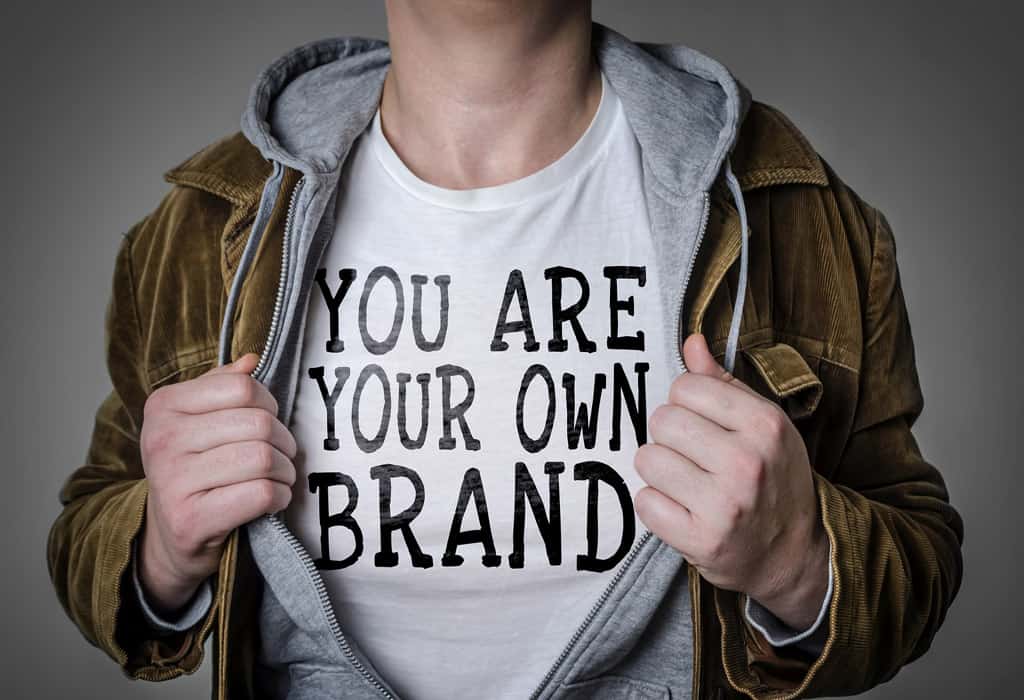
In today’s world, your personal brand is what makes you unique and different from everyone else. Being unique sets you apart from the competition and makes you the best at what you do. It’s what people remember about you long after they’ve met you, and what gets you noticed. When your personal brand is strong, people will instantly know who you are and what value you bring to the table. Have you ever been introduced to someone and forgotten their name? A strong brand is easier to remember and can help overcome that.
Examples of the best personal brands in 2023 highlight the importance of authentic knowledge and experience in creating a personal brand that resonates with an audience in today’s attention-driven economy. Personal branding examples show how each example leverages a unique personality to stand out and connect with their audience.
Creating a strong personal brand is essential to success in any field. Whether you’re an entrepreneur, a small business owner, or a freelancer, your personal brand is what will make people remember you and recommend you to others. For a business owner or someone starting their own company, personal branding is crucial for building trust and recognition in your industry. It’s what will get you noticed in the business world, and will set you apart from your competition. If you aspire to be a co founder or launch your own company, personal branding is important for establishing credibility and attracting opportunities. It’s what will make people want to work with you. What is a personal brand? Your personal brand is the story of who you are as a person, and it’s how other people see you. Personal branding is important because it helps you build trust, recognition, and credibility, which are essential for career growth and professional influence.
What is Personal Branding?
Personal branding is the process of creating and establishing a unique identity for yourself as an individual. It involves showcasing your skills, expertise, and values to differentiate yourself from others in your industry or profession. Think of it as crafting a consistent image and message that reflects your personality, values, and goals. This image is then communicated to your target audience through various channels, including social media, your personal website, and networking events. It’s important to maintain consistency across other channels, such as online portfolios and professional forums, to ensure your visual identity and message remain unified.
By doing so, you create a memorable and impactful presence that resonates with those you aim to connect with. For example, a personal brand that stands out often has a unique point of view—such as sharing distinct opinions on industry trends—which helps differentiate it and makes it more recognizable.
How to Present Yourself to Your Target Audience
In today’s job market, your personal brand is more important than ever. First and foremost, be aware of what your brand is. Many people don’t think of themselves as a “product”, but they are. You are your brand and you need to understand that. Once you do, the next step is to manage your brand. This means making sure that your brand is consistent. Your personal brand should be consistent across all of the different mediums you use to communicate with people. Think about how you want to present yourself online and offline. Even if you are not currently on a job hunt, maintaining your personal brand is crucial for future opportunities and your professional reputation. Are you professional or more laid-back? Be consistent with your image across all platforms.
What do you want to be known for? Do some soul-searching and figure out what your strengths are. Once you know this, you can start crafting your personal brand. Crafting an effective personal brand involves creating a personal brand statement that encapsulates your unique story and values. What are your strengths? What are your weaknesses? Are these things that you want to share with the world? Seeking feedback from co workers can help you better understand how your personality is perceived and identify areas for improvement. If you want to be known as the go-to person for social media, you need to create content that is specifically geared toward this niche. Is your brand all about being professional? The way you present yourself online and offline should match. Managing your online presence gives you more control over how you are perceived by others. Finally, don’t be afraid to put yourself out there.
Building your Personal Branding Strategy
Building your personal brand takes time and effort, but it is worth it to have a strong online presence. A strong personal brand is extremely important, especially in the business world. The key to building your brand is consistency, so make sure you are always using the same profile picture, cover picture, and profile description on all platforms. Create a blog to keep your followers up to date on your life, news, and anything else you want to share. Share your accomplishments and what you’ve learned. Sharing your expertise and achievements helps build credibility and enhances your professional reputation. Make sure you are always adding new content to your blog. Developing your own personal brand is crucial for distinguishing yourself in the marketplace. Here are some tips and tricks:
- Figure out what makes you unique. What are your strengths and weaknesses? What are your interests? When you know what makes you special, you can start to craft your personal brand around those qualities.
- Use social media to your advantage. Create accounts on Twitter, Facebook, LinkedIn, and other platforms that allow you to share your thoughts and ideas with the world. Make sure to share content that is interesting and relevant to your target audience. Having a complete and optimized LinkedIn profile, Twitter bio, and YouTube channel is essential for personal branding, as these platforms help you demonstrate expertise, build credibility, and make yourself easily discoverable.
- Stay active online. In order to keep your brand strong, you need to be active on social media and in the blogosphere. When you look at successful brands, they all have one thing in common. They are authentic and are who they say they are.
Define Your Brand Identity
Defining your brand identity is the first step in creating a strong personal brand. This involves identifying your unique strengths, values, and passions, and determining how you want to be perceived by your target audience. It’s also important to recognize and showcase your unique skills, as these set you apart and enhance your credibility. Ask yourself questions like, “What makes me unique?”, “What are my core values?”, and “What do I want my personal brand to achieve?” Be honest and authentic in your self-reflection, and use your insights to craft a clear and concise brand statement that captures your identity and purpose. Be honest and authentic in your self-assessment, and use your answers to create a clear and concise brand statement that summarizes your identity and purpose. Sharing your story can help foster a personal connection with your audience, building trust and authenticity. A well-developed personal brand starts with a solid foundation of self-awareness and clarity.
Determine Your Target Audience
Determining your target audience is crucial in creating a successful personal brand. Who are the people you want to reach and connect with? What are their needs, interests, and pain points? Understanding your target audience enables you to tailor your message, content, and marketing efforts effectively to resonate with them and build a meaningful connection. Research your target audience, engage with them on social media, and ask for feedback to refine your understanding of their needs and preferences. By knowing your audience inside and out, you can create a personal brand that truly speaks to them. Personal branding is important for everyone, not just those in the public sphere.
Optimize Your Online Presence
Optimizing your online presence is essential in today’s digital age. Your personal website, social media profiles, and online content should all reflect your brand identity and message. Ensure that your website is professional, easy to navigate, and showcases your skills and expertise. Incorporating graphic design elements and personal storytelling can further enhance your website, making your professional journey more authentic and visually engaging. Leverage social media platforms to share valuable content, engage with your target audience, and strengthen your personal brand. Consistency is key, so ensure that your online presence is consistent across all platforms. A cohesive and polished online presence will help you stand out and make a lasting impression. Demonstrating expertise in areas like financial planning can further strengthen your personal brand and credibility.
Key Elements of a Strong Brand
A strong personal brand is more than just a catchy tagline or a polished profile picture—it’s a combination of several essential elements that work together to create a memorable and authentic identity. At the heart of every strong personal brand is a clear and concise personal brand statement. This statement should quickly communicate who you are, what you do, and what makes you stand out in your field. It’s your elevator pitch to the world, helping your target audience instantly understand your unique value.
Equally important is knowing exactly who your target audience is. Whether you’re aiming to connect with potential employers, clients, or collaborators, understanding their needs and interests allows you to create content that truly resonates. This means tailoring your messaging and approach to address their specific challenges and aspirations.
Your brand voice is another key element—it’s the personality and tone you use when communicating online and offline. A consistent brand voice builds trust and recognition, making it easier for your audience to connect with you on a personal level. Whether you’re creating content for your personal website, sharing insights on social media platforms, or networking in person, your brand voice should always reflect your authentic self.
Finally, a strong online presence is crucial in today’s digital world. This includes maintaining a professional website, being active on relevant social media platforms, and ensuring your digital footprint accurately represents your brand. By combining these elements—personal brand statement, target audience focus, consistent brand voice, and a robust online presence—you’ll create a personal brand that stands out and leaves a lasting impression in your industry.
Why a Strong Personal Brand Matters
Your personal brand is what people say about you when you’re not in the room. It’s how others perceive you, and it can be a powerful tool in your career journey. Understanding that your personal brand helps you achieve both personal and professional goals can enhance your appeal to hiring managers and showcase your unique strengths, especially if you are changing careers. Being able to influence how others perceive you through your brand can lead to opportunities and career growth. Successful personal branding can also help fulfill your entrepreneurial aspirations by providing a strategic foundation for launching and growing your own business.
In a world where we are constantly inundated with content and images, it’s important to make sure that we are putting our best foot forward. Our personal brand is the first thing that people will see when they encounter us online or in person, and it’s important to make sure that we are representing ourselves as good leaders in the best light possible. The key is to be consistent. Here are three reasons why you should care about your personal brand:
- First impressions matter. When you meet someone for the first time, they will form an impression of you based on your appearance, body language, and the way you carry yourself. This first impression will be difficult to change, so it’s important to make sure that you are making a good one from the start.
- Your personal brand can help you achieve your goals. When you are looking for a job or applying to college, the people reviewing your applications will first use your personal brand to decide whether or not they want to learn more about you. If they like what they see, then they will continue reading. Building credibility is a key part of this process, as it demonstrates your expertise and reliability to decision-makers.
- Your personal brand is essential to your success if you’re an entrepreneur. A strong personal brand can help with marketing any product or service, and also attract customers, partners, and investors. Being recognized as a best selling author or co founder can significantly enhance your personal brand and credibility.
Marketing Your Personal Brand
Marketing your personal brand involves promoting yourself and your services to your target audience. This can be done through various channels, including social media, content marketing, email marketing, and networking events. Develop a personal branding strategy that outlines your goals, target audience, and marketing tactics. Create valuable content that showcases your expertise and provides solutions to your target audience’s problems. Looking at personal branding examples from successful professionals can help you understand effective strategies and inspire your own approach. Engage with your audience on social media, and use email marketing to nurture your relationships and promote your services. Attend networking events and conferences to connect with your target audience and establish yourself as a thought leader in your industry.
By following these steps and consistently promoting your personal brand, you can establish a strong online presence, attract new opportunities, and achieve your career goals. Remember to stay authentic, focused, and adaptable, and always keep your target audience in mind. A well-executed personal branding strategy can set you apart from the competition and pave the way for a successful business or career. Personal branding is important because it builds trust, recognition, and credibility, which are essential for long-term professional success.
Measuring Success
Once you’ve started building your personal brand, it’s important to track your progress and measure your success. This helps you understand what’s working, what needs improvement, and how you can refine your personal branding strategy for even better results. There are several key metrics you can use to gauge your brand’s impact.
Start by monitoring your website traffic. Tools such as Google Analytics provide insights into your website traffic, revealing how many visitors you receive, which pages they frequent the most, and the sources driving them to your site.This data can help you identify which types of content attract your target audience and keep them engaged.
Social media engagement is another valuable indicator. Pay attention to likes, comments, shares, and followers on your social media platforms. High engagement means your content is resonating with your audience and helping to build your brand’s reputation.
Email open rates and click-through rates are also important if you use email marketing as part of your personal branding strategy. These metrics show how interested your subscribers are in your content and whether your messaging is compelling enough to prompt action.
Finally, track your conversion rates—whether that means people signing up for your newsletter, enrolling in your online courses, or reaching out for business opportunities. By regularly reviewing these metrics, you can make informed decisions, adjust your approach, and continue building a personal brand that drives real success.
Common Mistakes to Avoid
Building a personal brand is a journey, and it’s easy to stumble into a few common pitfalls along the way. One of the biggest mistakes is inconsistency. If your personal brand statement, messaging, or visual identity changes from one platform to another, it can confuse your audience and weaken your brand’s impact. Consistency across all channels is key to building trust and recognition.
Another mistake is trying to appeal to everyone. While it might seem like a good idea to cast a wide net, the most effective personal brands are focused and tailored to a specific audience. By zeroing in on your niche, you can create content and messaging that truly connects with the people who matter most to your goals.
Neglecting to define your unique value proposition is another common error. Your personal brand should clearly communicate what sets you apart from others in your field. Without a strong, well-articulated personal brand statement, your audience may struggle to understand why they should choose you over someone else.
Finally, authenticity is non-negotiable. Trying to present a version of yourself that isn’t genuine can come across as insincere and may damage your credibility. The best personal brands are built on honesty and a true reflection of your personality, values, and skills. Stay true to yourself, focus on your audience, and your personal brand will stand out for all the right reasons.
Tools and Resources for Personal Branding
Building a strong personal brand is much easier when you have the right tools and resources at your disposal. One of the most valuable assets is a professional personal website. This serves as your online headquarters, showcasing your skills, experience, and achievements, and providing a central place for your audience to learn more about you.
Social media platforms are also essential for connecting with your audience and sharing your story. Whether you’re active on LinkedIn, Twitter, Instagram, or YouTube, these channels allow you to create content, engage with followers, and expand your reach. Consistent activity on social media helps reinforce your brand and keeps you top-of-mind in your industry.
Email marketing software is another powerful tool for personal branding. Building an email list allows you to communicate directly with your audience, share updates, and promote your services or content. Personalized email campaigns can help nurture relationships and drive engagement.
To keep your skills sharp and stay ahead of trends, consider investing in online courses and tutorials. These resources can help you learn new techniques, improve your content creation, and stay up-to-date with the latest best practices in personal branding.
Finally, having a clear personal brand statement and messaging framework will help you communicate your unique value proposition effectively. By leveraging these tools and resources, you can create an effective personal brand that connects with your audience, builds credibility, and supports your professional goals.
Conclusion
In conclusion, Your Personal Brand is YOU. It’s what makes you unique and differentiated from others. Your brand is your promise of value to the world. It’s how you make a living and support yourself and your family. And it’s something you can control and nurture throughout your lifetime. So, start today by taking inventory of your unique talents, experiences, and passions. Define your personal brand statement. And begin living and working YOUR Personal Brand every day!
Disclosure: Some of the links in this article may be affiliate links, which can provide compensation to us at no cost to you if you decide to purchase. This site is not intended to provide financial advice. You can read our affiliate disclosure in our privacy policy.
