
Volunteer Opportunities for Retirees: How to Get Started and Find the Right Fit

Why Volunteering in Retirement Matters
You spent decades showing up, solving problems, and building something. Now retirement has arrived, and maybe the first few weeks felt like a vacation. But at some point, the quiet becomes a little too quiet. If you feel ready to help but not sure where to start, you’re far from alone. There are many volunteering opportunities available that can make your retirement both meaningful and rewarding.
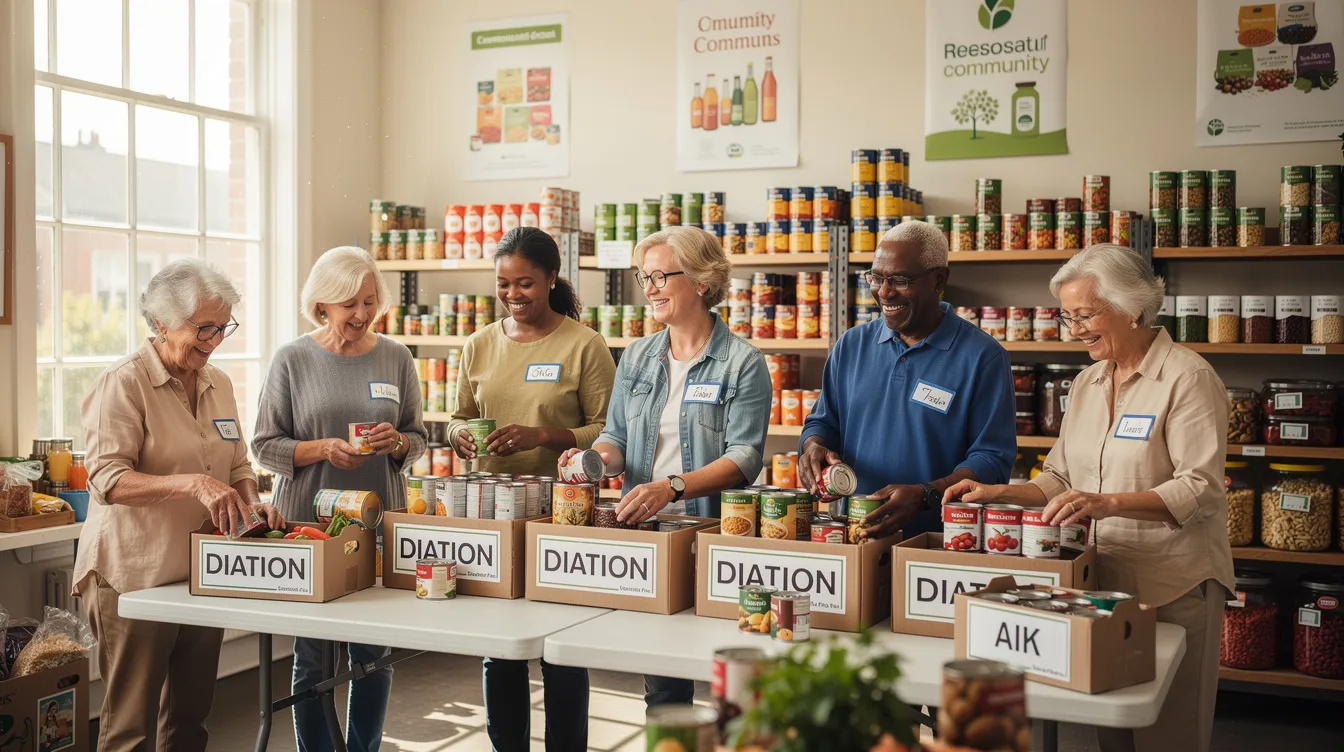
Volunteering opportunities give retirees something that hobbies alone often can’t: structure and purpose on a schedule you control. Picture tutoring a second-grader twice a week at the local school, or taking a weekly morning shift at a food bank sorting donations. These aren’t grand gestures – they’re steady, simple commitments that fill your calendar with something worth getting dressed for.
The payoff goes both ways. Retirees who volunteer regularly report new friendships, stronger community engagement, and a noticeable lift in mood. Studies show that helping others reduces stress and fosters a sense of purpose – though volunteering isn’t a cure-all, and we’ll keep those claims honest throughout this article.
Take Theresa, who retired in 2024 and quickly realized she missed being needed. She started volunteering at a local nursing home five days a week, planning recreational activities and knitting gifts for residents. Within months, she said she felt more energized and connected than she had in years.
In the sections ahead, we’ll cover the main types of roles available, how to find current volunteer opportunities near you, how to choose a fit that matches your energy and health, and how to start small so you actually stick with it.
How Volunteering Supports Health, Happiness, and Connection
Retirees bring something most volunteers don’t have: flexible time, decades of life experience, and genuine desire to give back. That combination makes volunteering in retirement uniquely powerful.
Social benefits stand out first. Regular shifts introduce you to people outside your usual circle – other volunteers, staff, the families you serve. Volunteering often creates stronger social connections and networks, and it can help strengthen social cohesion in communities where neighbors don’t always know each other.
Mental health benefits are well-documented, if imperfect. A Columbia University study found volunteering was associated with 43% lower odds of depression among older adults. Regular volunteering is linked to lower stress levels and higher life satisfaction. Volunteering impacts mental and physical well-being – though these findings are mostly observational, and volunteering is not a substitute for professional care.
Physical benefits are more modest but real. Tasks like stocking essential items at a community pantry or helping with food distributions provide gentle movement. Matching tasks to your mobility matters; we’ll discuss that later.
Identity and purpose may be the biggest gain. Having somewhere to be at 10 a.m. on Tuesday – using your skills, feeling needed – rebuilds the daily structure retirement takes away. Volunteering bridges individual purpose and collective well-being. Adults who volunteer 100+ hours per year report higher purpose-in-life scores and greater optimism.
One realistic note: volunteering supports well-being, but it won’t fix every problem or replace medical or mental health treatment.
Main Types of Volunteer Opportunities for Retirees
Retiree-friendly volunteering opportunities come in many forms, from hands-on local roles to virtual, skills-based projects. Here’s a quick overview of the core categories this article covers:
- Local nonprofits and food banks – sorting donations, packing boxes, helping at food distributions (2–3 hour shifts, often mornings)
- AmeriCorps Seniors and RSVP – structured national programs for adults 55+ with tutoring, meal delivery, disaster preparedness roles
- Faith-based programs – meal trains, clothing closets, visiting isolated congregants
- Schools and libraries – homework help, reading groups, shelving, community events
- Hospitals and health organizations – greeting, administrative support, wellness education
- Online and at-home roles – phone companionship, virtual tutoring, remote data entry, writing
Some roles are ongoing and year-round. Others are seasonal – think holiday food drives, spring park clean-ups, or tax-season prep clinics running January through April. And plenty are one-time fundraising events or projects.
You don’t need to explore every option. Skim to the sections that match your current energy level and interests.
Local, In-Person Volunteering: Food Banks, Community Centers, and Beyond
If you miss daily face-to-face interaction, local roles can fill that gap fast. Volunteering provides direct support to local organizations and directly impacts community resources and budgets.
Food banks are one of the most accessible entry points. Most food banks and pantries frequently need help sorting and distributing groceries. Food banks rely on volunteers to sort goods and serve meals – consider that volunteers served 427,900 meals at VOA Utah in 2024, contributing 24,324 hours of service. Care and Share Food Bank partners with 278 organizations in Southern Colorado alone. Many sites welcome seniors for morning or early-afternoon shifts of two to three hours.
Other community-based roles include:
- Reception or greeter shifts at a senior center
- After-school homework help for students in youth services programs
- Neighborhood clean-up days and trail maintenance – organizations rely on volunteers for trail maintenance and habitat restoration
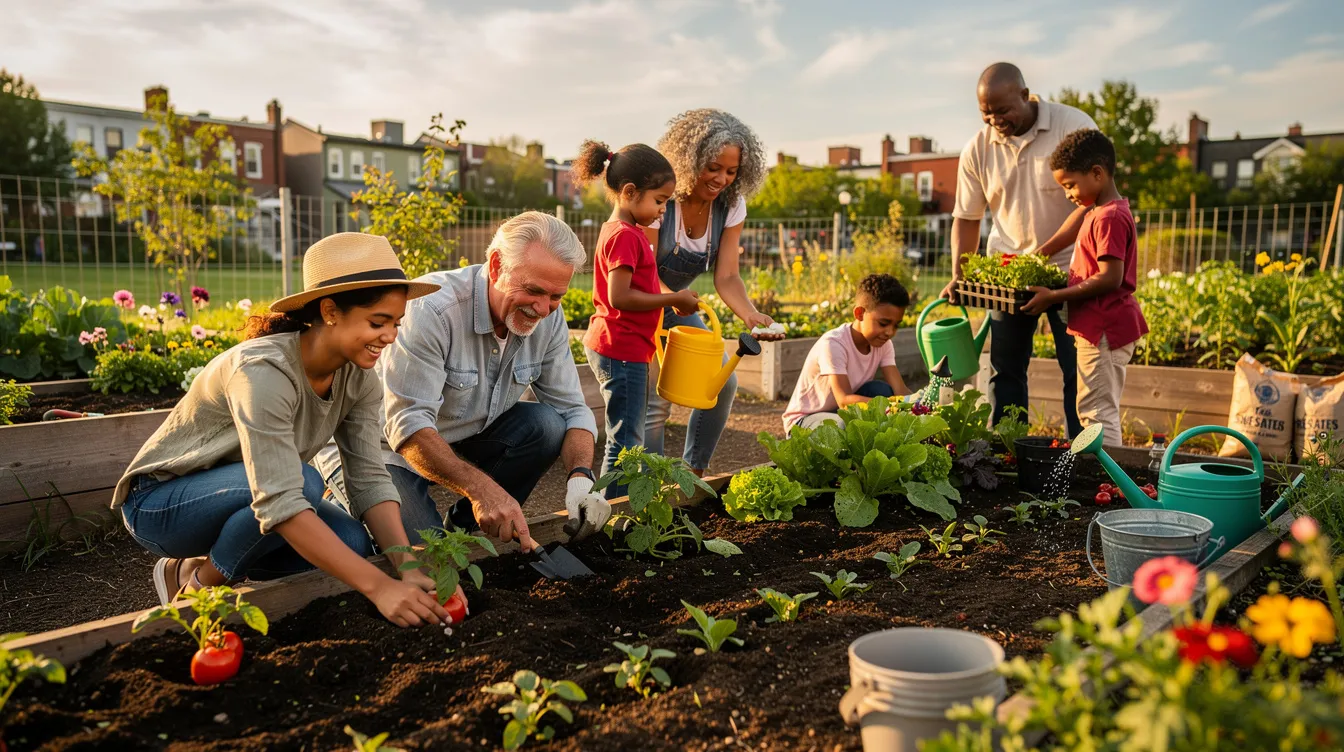
- Community gardens, where you can work outdoors at your own pace
- Library shelving, event support, and reading groups for youth ages five and up
Effective volunteering addresses localized problems quickly and efficiently. Organizations like Nido De Esperanza organize baby boutiques for local families, while Verde Vida sets up mobile farmers markets in underserved neighborhoods. Volunteering helps local nonprofits address immediate community needs, whether that’s reducing homelessness, stocking a shelter, or preparing meals for residents.
Many cities and counties post opportunities on official websites – search “Volunteer [Your City]” or check your local United Way directory. Don’t overlook accessibility: choose locations with good parking or public transit, ask about seating, and request lighter tasks if needed. Call directly and ask in plain language, “Do you have a volunteer opportunity that works well for retirees?”
National and State Programs for Older Volunteers (AmeriCorps Seniors, RSVP & More)
Several U.S. programs exist specifically for people 55 and older who want structured volunteer roles with built-in support.
AmeriCorps Seniors is the national umbrella connecting older adults with tutoring, companionship, and community engagement projects through local partners. Under it, three programs stand out:
- RSVP (Retired and Senior Volunteer Program): Open to adults 55+, with roles in meal delivery, tax-prep assistance, disaster preparedness education, and outreach. Schedules are flexible – commit a few hours or up to 40 per week. Some programs reimburse mileage.
- Foster Grandparent Program: Places older volunteers in schools and child-focused settings to mentor or tutor children, including young people who need one-on-one reading or math support. Many organizations need volunteers for tutoring and youth mentorship.
- Senior Companion Program: Provides companionship and assistance to homebound adults, including friendly visits and help with errands. Many nonprofits need volunteers for meal delivery and senior companionship.
Beyond AmeriCorps, programs like First Tee served over 6,000 kids and teens in 2025 through sports-based life skills education. The Red Cross has over 15 youth members in its National Youth Council, and high school students can lead local projects through Red Cross chapters – retirees often serve alongside these younger volunteers as mentors. The Red Cross also offers disaster relief volunteer opportunities, and disaster relief volunteers assist communities during emergencies. You can support the Red Cross Blood Team as well.
To find these programs, visit AmeriCorps.gov, choose “AmeriCorps Seniors,” and enter your ZIP code. You can also contact your state service commission or search “Volunteer [State Name]” websites.
Faith-Based and Congregation Volunteer Opportunities
Many retirees first volunteer through their own congregation or a nearby house of worship, even if they haven’t been highly active members.
Common roles include:
- Organizing meal trains for families in need
- Helping at clothing closets or donation drives that provide essential items to neighbors
- Supporting food bank partnerships – many congregations sponsor one
- Visiting isolated congregants at home or in hospitals
- Assisting with childcare during services or running arts and crafts for children
These roles blend service with belonging, which can be especially valuable for mental health and a sense of connection. You see familiar faces, share purpose with people who share your values, and serve your community without leaving the neighborhood.
If you’re interested, ask a pastor, rabbi, imam, or volunteer coordinator about “one small, regular volunteer opportunity I could try for a month.” Many faith-based charities – Catholic Charities, Jewish Family Service agencies, and others – welcome volunteers of any faith background for community engagement projects and advocacy work.
Organizations often require background checks for volunteers working with vulnerable populations, including children and seniors. Ask about screening and training sessions before committing to roles involving kids or adults who need extra support.
Using Your Career Skills: Tutoring, Mentoring, and Skills-Based Volunteering
You spent decades building professional expertise. That doesn’t expire when you retire – and nonprofits benefit from skilled volunteering to enhance operations in ways paid staff alone can’t cover.
Concrete examples:
- Former teachers tutoring reading or math at a local school or library
- Retired accountants helping low-income families with free tax preparation through AARP Foundation Tax-Aide (January through April – a great fit for seasonal involvement)
- Retired nurses supporting community health and wellness education events
- Pro bono services support nonprofits with specialized skills like graphic design, bookkeeping, or website maintenance
For retired business professionals, SCORE offers mentoring to small-business entrepreneurs. Intergenerational mentoring programs at high schools and community colleges let you help young people with resume reviews, mock interviews, and career talks – helping them build self sufficiency and preparing them to join the workforce.
Volunteering allows you to practice teamwork and leadership skills in new settings. The value of one hour of volunteer service is $33.50, which means even a few hours a week adds up to thousands of dollars in impact for the organization you serve.
Many of these roles can be partially or fully remote. To get started, list three to five skills from your career or hobbies, then search “volunteer [skill] near me” or call local nonprofits to ask if those skills could be useful. You may be surprised how quickly they say yes.
Online and At-Home Volunteering for Retirees
If you have health limitations, caregiving responsibilities for family members, or simply prefer to work from home, virtual volunteering has expanded enormously.
Examples of remote roles:
- Friendly phone calls or video chats with isolated seniors
- Online tutoring for students in reading, math, or science
- Volunteers can facilitate English practice through video chats with immigrants and refugees
- Virtual docent or guide programs for parks and museums
- Remote administrative help – including data entry, scheduling, or social media support
- Volunteers can write articles for remote organizations that need content
- Remote roles include support representatives and dispatchers for crisis or service hotlines
The Red Cross offers remote volunteer roles for various skills, from communications to logistics. Volunteers can work remotely with various organizations across the country, no matter what city or town you’re in.
Some national organizations, including crisis text lines and mental health support programs, train volunteers for online support roles. These require screening and ongoing training because of the emotional nature of the work.
Platforms to explore: VolunteerMatch, AARP’s volunteer search, and Community Compass, which aggregates postings from multiple sources. Filter by “virtual” or “remote” to see what’s available now.
Basic tech needs: reliable internet, comfort with email and video calls, and willingness to learn a new tool or two. Many organizations provide step-by-step guides and patient support for first-time virtual volunteers.

How to Find Current Volunteer Opportunities in Your Area
Here’s a practical roadmap if you want to be involved in something within the next 30 days:
- Search online directories: VolunteerMatch, AARP Create the Good, AmeriCorps.gov, and JustServe all let you filter by ZIP code, age, and virtual vs. in-person.
- Check city and county websites: Many municipalities operate dedicated volunteer programs and post opportunities on official pages. Search “Volunteer [Your City]” or “Volunteer [Your County].”
- Call 2–3 local organizations directly: Libraries, community centers, senior centers, and hospitals. Ask, “What volunteer opportunities do you have right now for someone my age?”
- Dial 211: In most U.S. areas, this United Way helpline connects you to social service agencies that can point you toward food banks, shelters, and programs that are actively recruiting volunteers.
- Ask your faith community: Bulletin boards, websites, and volunteer coordinators often know about both congregational and external opportunities.
- Sign up for newsletters: One or two organization newsletters will keep you informed about seasonal needs – holiday drives, school supply collections, spring clean-ups – so you hear about time-limited groups and projects throughout the year.
Organizations often post opportunities on social media too. Don’t hesitate to register on a site or two and browse – you’re not committing just by looking.
Choosing the Right Volunteer Opportunity for Your Energy, Health, and Schedule
Not every opportunity will be the right fit, and that’s fine. Being selective means you’ll stick with it longer.
Assess your energy realistically:
- Are you a morning person or an afternoon person?
- How many hours per week do you actually want to give? Two? Six? Ten?
- Do you prefer quiet environments or busy, social ones?
Consider physical needs:
- Options for seated work (reception, phone calls, data entry)
- Limits on lifting weight – sorting essential items can often be adapted
- Indoor vs. outdoor roles (nature-based work in parks is great if mobility allows)
- Availability of rest breaks and accessible parking
Match personality to role:
| If you enjoy… | Consider… |
|---|---|
| Talking with people | Greeting visitors, mentoring teens, companionship calls |
| Working with your hands | Sorting donations, preparing mailings, community gardens |
| Quiet, focused tasks | Data entry, editing, shelving at a library |
| Teaching or coaching | Tutoring students, leading workshops, educating groups |
Ask these questions before committing:
- What’s the time commitment per week or month?
- What training is required?
- Who is my point of contact for support?
- What happens if I need to pause for a few weeks?
- Can I try it for a month first?
Start with one volunteer opportunity rather than saying yes to every request. Protect your mental health and energy by building gradually.
What to Expect When You Sign Up (Applications, Background Checks, and Training)
The process from first inquiry to first day is usually straightforward. Here’s what to expect:
- Application: Most organizations ask you to fill out a brief online or paper form. Some request references.
- Background checks: Roles at schools, hospitals, and programs involving children or vulnerable adults typically require criminal background checks or health screenings. This is standard – it’s for everyone’s safety.
- Orientation and training: Expect a one- to two-hour session covering procedures, safety guidelines, and expectations. Some roles involve shadowing a more experienced volunteer for your first shift. Others use online modules you can complete at home.
- Support from staff: Good programs assign a coordinator or point of contact. Ask for a clear role description, the name of your supervisor, and whom to call with questions.
On your first day, arrive a little early. Bring identification and any completed forms. Consider bringing a small notebook to jot down procedures, names, and questions – it makes the transition smoother and less stressful. Feeling unsure is normal. Good programs welcome questions and want you to succeed.
Starting Small and Avoiding Burnout
Generous retirees tend to overcommit. You see a need, you say yes, and before long you’re volunteering four days a week and dreading your alarm clock. Sustainable service is more helpful than saying yes to everything for a month and then quitting.
Start with a trial: Commit to one two- to three-hour shift per week for four to six weeks, then reassess. Is it still enjoyable? Is your energy holding up?
Set boundaries early:
- Decide how many days per week you’ll volunteer – and keep at least one or two quiet days
- It’s okay to say no when someone asks for more help
- Donors and organizations both benefit more from steady, long-term volunteers than from short bursts
Watch for burnout signs:
- Dreading your next shift
- Feeling constantly tired rather than refreshed
- Guilt instead of gladness
- Viewing your role as an obligation rather than a choice
If these appear, talk openly with your coordinator. Adjust roles, reduce hours, or take a break. It’s completely acceptable to change volunteer opportunities over time as your health, interests, or responsibilities to family members shift.
Even a modest, steady commitment – two hours a week – makes a meaningful difference to both you and the communities you serve. Volunteering strengthens community ties and improves lives, including your own.

Next Steps: Choosing One Simple Action This Month
You don’t need a perfect plan. You need one small step.
This week, choose a single concrete action: call a local food bank to ask about morning shifts, visit AmeriCorps.gov to search for programs in your ZIP code, ask your congregation about a volunteer opportunity you could try for a month, or register on VolunteerMatch to browse what’s nearby. Consider that Partners in Housing has a 93% success rate for families – your help at organizations like these creates real, measurable change.
Volunteering can support purpose, community engagement, and mental health in retirement, especially when done at a pace that feels sustainable. You have decades of experience, skills, and wisdom. Your neighbors, families, and organizations need exactly what you can offer – right now.
Disclosure: Some of the links in this article may be affiliate links, which can provide compensation to us at no cost to you if you decide to purchase. This site is not intended to provide financial advice. You can read our affiliate disclosure in our privacy policy.
