
What To Do in Retirement Every Day: Ideas for a Calm, Happy Routine
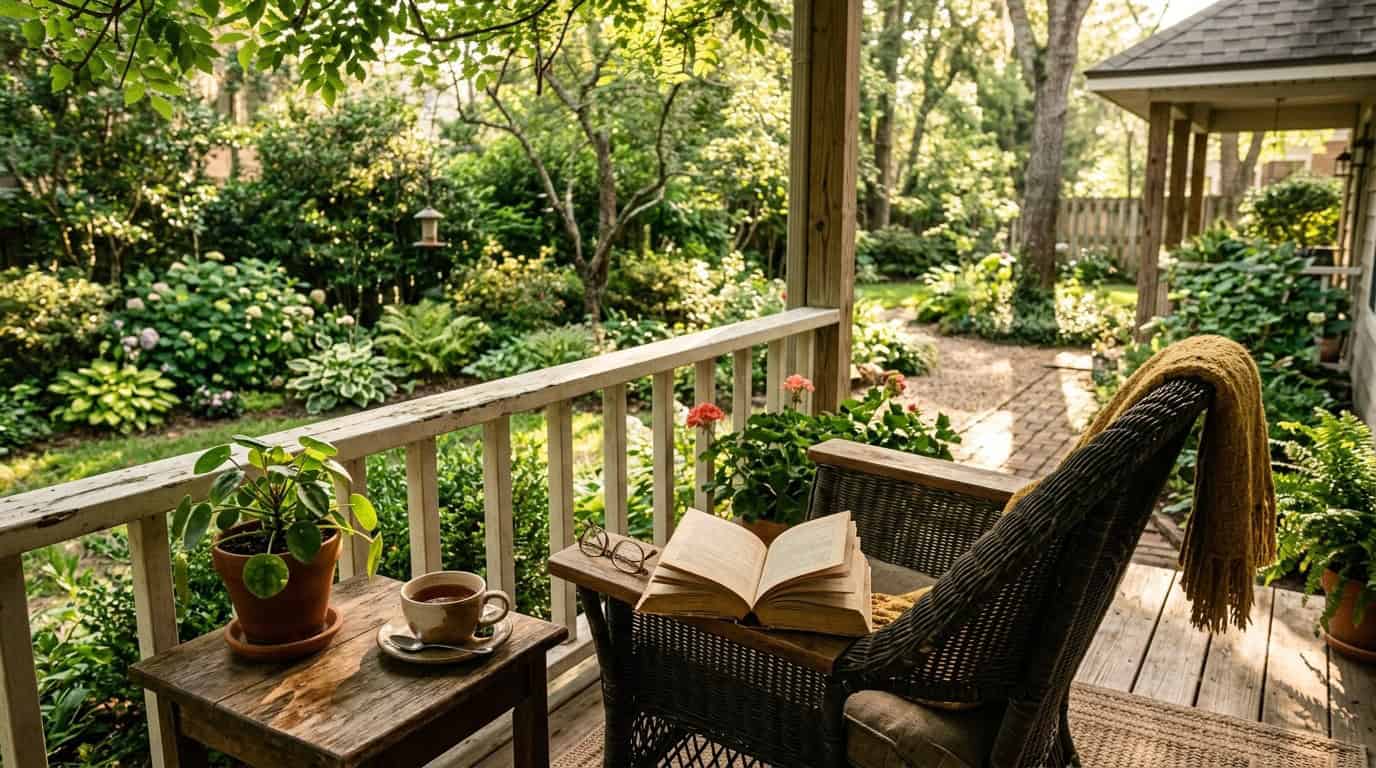
Retirement life doesn’t need to look like a magazine spread. It can look like a Tuesday morning in October – no alarm, no rush, just coffee and the sound of the house settling around you. Here are everyday ideas for filling your days with small, steady pleasures that actually feel good.
Start Here: A Simple Picture of a Low-Pressure Retired Day
Picture this: you wake up on a Tuesday around 7:30. No alarm. You make coffee, sit in your usual chair, and look out the window. The question drifts in: “What now?”
That question isn’t a crisis. It’s an invitation. And you don’t need a packed schedule or a grand retirement bucket list to answer it. A happy retirement is more often built from small, steady pleasures than from dramatic adventures.
Here’s what a quiet, satisfying day might look like:
- 8:00 – Slow breakfast, maybe toast and the local paper
- 9:30 – A short walk around the block
- 11:00 – Call a friend or sibling for ten minutes
- 1:00 – Lunch, then reading or a simple new hobby at home
- 3:30 – A little gardening or a crossword puzzle
- 6:00 – Dinner, evening TV, tea
That’s it. No performance reviews. No commute. Just a day with a few activities that feel pleasant and unhurried.
This article is for people who feel mild anxiety about how to fill their days – not adrenaline seekers or people launching a second career. The ideas ahead cover movement, simple hobbies, light social time, and gentle purpose. Pick what appeals. Leave the rest.
Give Your Days a Soft Shape: Creating a Loose Retirement Routine
Many retirees describe the first few months as strangely disorienting. Without meetings and deadlines, days blur together. The fix isn’t a rigid schedule – it’s a loose shape.
Think of your day in three gentle blocks:
Block | Time | Examples |
|---|---|---|
Morning starter | 7:00–11:00 | Coffee ritual, short walk, one small errand |
Afternoon interest | 12:00–4:00 | Hobby, reading, a visit, or a nap |
Evening wind-down | 5:00–9:00 | Dinner, TV, phone call, tea |
Staying active in retirement involves creating a balanced routine, but “balanced” doesn’t mean “busy.” It means your days include a mix of key activities – physical movement, mental stimulation, and social connection – in doses that feel right for you.
Establishing a daily routine reduces stress levels. Even something as simple as waking up and going to bed at similar times helps structure days and signals your brain that life still has a rhythm.
A quick weekly check-in helps too. On Sunday evening, glance at the week ahead. Note any appointments. Pick one or two highlights – a coffee date, a library visit – and leave the rest open. Daily routines can enhance overall health and well being when they feel like support rather than obligation.
An introvert’s Tuesday might look different from an extrovert’s. That’s fine. The shape is personal.
Move a Little, Most Days: Gentle Physical Activities You Can Actually Keep Up
Let’s get the medical note out of the way: individual needs vary, so check with your own doctor before starting anything new. That said, staying physically active in your golden years can mean 10 to 20 minutes at a time. Nobody’s asking for a marathon.
Health experts recommend older adults get 150 minutes of moderate physical activity each week – the CDC frames it as about 2.5 hours of moderate activity weekly. Spread across seven days, that’s roughly 20 minutes a day.
Here are a few examples of what that might look like:
- A 15-minute after-breakfast walk around the block
- Slow stretching while the kettle boils
- Light gardening in spring and summer
- Tai chi or gentle yoga from a free video
When the weather is bad
On rainy or icy days, indoor movement works just as well: walking laps in a local mall, simple chair exercises while watching the 6 p.m. news, or following an online gentle yoga session. Swimming or water aerobics offer gentle workouts ideal for older adults, and many community centers run affordable fitness classes.
Older adults should do muscle-strengthening activities two days a week – even wall push-ups or standing from a chair without using your hands counts. Participating in strength training helps maintain mobility for retirees. Regular exercise helps delay physical and psychological problems of aging, and physical activity improves overall health and well being in retirement.
Pickleball, golf, and swimming are great sports for older adults. Joining senior sports leagues or local sports leagues combines exercise with socializing – two benefits for the price of one. Listen to favorite 1970s music while doing heel raises at the kitchen counter. Walking 3 to 7 miles weekly – or shorter walks – is recommended for cardiovascular health.
Put one small physical activity in your morning block most days. Treat it as a kindness to your future self, not an obligation.
Enjoy the First Hour: A Calm, Grounding Morning Start
The first hour of your retired day is yours in a way it never was during your working life. No emails. No traffic. Just you and the morning.
Picture it: you wake around 7:00, open the curtains, and make coffee or tea. You sit in your favorite chair. The house is quiet.
Simple anchors for this hour:
- Read a few pages of a novel
- Scan the local paper or a magazine
- Water two or three houseplants
- Jot down one thing you’re looking forward to today
Keep a small tray or basket near your chair – glasses, current book, pen, notepad. Making the routine inviting removes friction. You don’t have to decide what to do; it’s already there.
This gentle morning rhythm replaces the old commute. It sets a positive tone without feeling like a productivity system. Meditation can be included in a daily routine for mental health – even five slow breaths with your coffee counts.
Try one small experiment for a week: a 10-minute crossword at 8:30 a.m., or reading one essay before you check your phone. Notice how it affects your mood by Friday.
Retirement Activities That Feed Your Mind: Reading, Puzzles, and Low-Effort Learning
“Staying mentally sharp” doesn’t require formal education or a classroom. It can be as simple as a crossword puzzle, a chapter of a good book, or a 15-minute language app session before lunch.
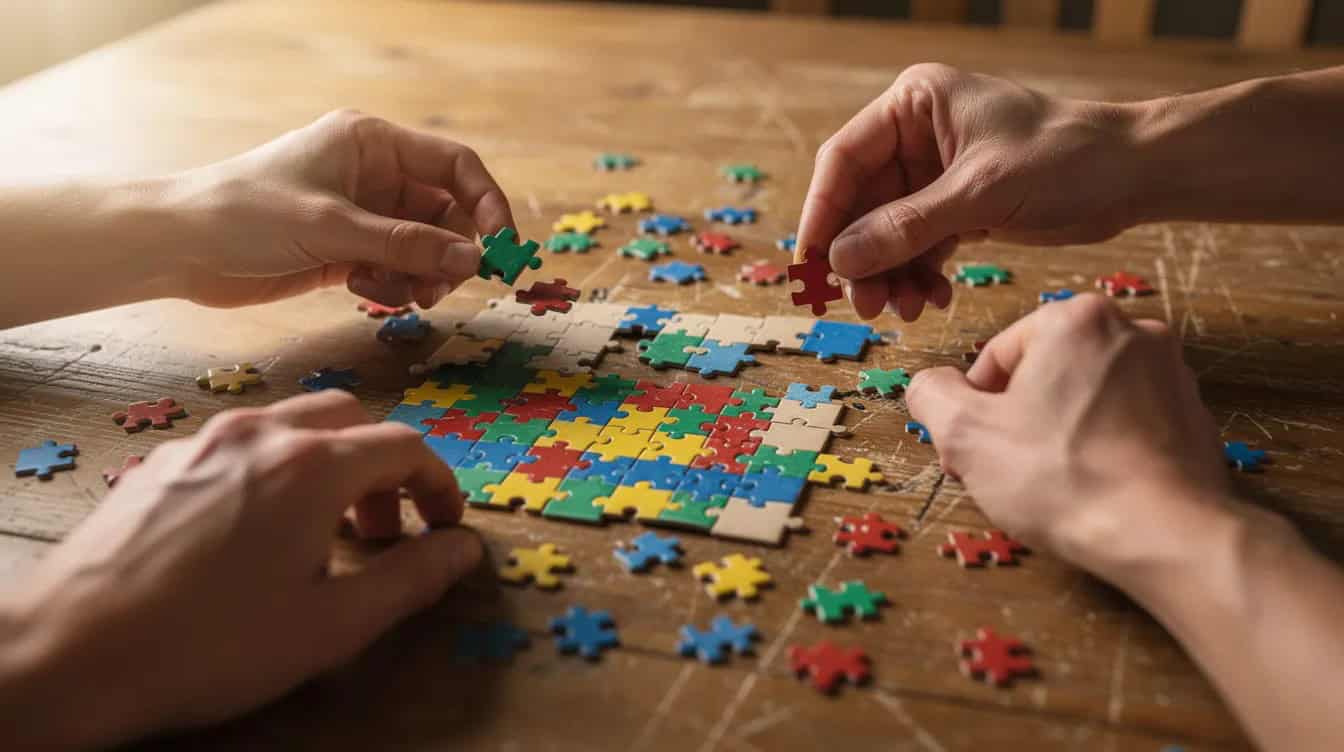
Brain games like puzzles and crosswords keep cognitive skills sharp. A jigsaw puzzle left out on the dining table gives you something to wander over to between other activities – no pressure, no clock.
Consider keeping a running reading list with three types: easy fiction for evenings, one nonfiction topic of curiosity (history, gardening, travel writing), and something reflective or spiritual. A book club – even a casual one that meets every six weeks – adds a social layer.
Learning new skills stimulates mental engagement in retirement. Research on the “mental retirement hypothesis” shows cognitive decline after leaving structured work, partly because daily mental demands disappear. Continued learning helps prevent cognitive decline and supports emotional health.
Learning a second language can stave off mental decline – language learning apps make this accessible anywhere. Photography is a popular hobby that enhances cognitive skills. Many retirees take classes to pursue new interests and engage with others.
Online courses and online classes offer flexibility to learn at your own pace – no grades, no deadlines, just curiosity. Try a tiny goal: watch one short online course video after lunch on Mondays, Wednesdays, and Fridays. Photography, family history, birdwatching, a new language – whatever pulls you in.
Simple Retirement Hobbies at Home: Low-Effort, High-Comfort Everyday Activities
Retirement activities at home don’t need a big investment. They need a comfortable chair, a few supplies within reach, and permission to enjoy yourself without producing anything impressive.
Simple retirement hobbies that fit into 10 to 30 minutes:
- Sketching a mug on the kitchen table
- Sorting and labeling old family photos
- Knitting or crocheting while watching evening shows
- Building a jigsaw puzzle over a week
- Jewelry making with a basic bead kit
- Keeping a small herb box on the balcony
- Baking one batch of cookies on a Saturday
- Playing board games with a partner or grandchild
Creative hobbies like painting and music provide opportunities for self-expression. Visual arts, creative pursuits, and even learning simple card games all count. Gardening can add years to your life and improve well-being. It combines movement with sunlight and a satisfying sense of tending something alive.
Writing can help process the transition into retirement. Even a few lines a day – what you noticed, what made you laugh – preserves your stories and provides therapeutic benefits. It’s a rewarding hobby that costs nothing.
Keep materials handy in small baskets or boxes. A sewing kit by the couch, colored pencils in a jar, a notebook on the side table. When starting feels effortless, you’re more likely to do it.
You don’t need to be good at these hobbies or turn them into anything more than what they are — a quiet pleasure that belongs entirely to you. Some people even brew their own beer as a weekend project – no storefront required.
Choose one low-effort activity for quiet afternoons. Watercolor doodling every Tuesday and Thursday after 2 p.m. A new chapter of that mystery novel. Whatever feels like a small gift to yourself.
Staying Social Without Exhausting Yourself
One-third of people suffer from loneliness later in life. That’s a real number, and it matters. But the answer isn’t cramming your calendar with commitments – it’s building a light, predictable trickle of human contact.
Social connections are essential for emotional health in retirement. The good news is they don’t have to be elaborate:
- A 10-minute phone call with a sibling on Wednesdays
- Texting a photo to an old friend
- Sitting on the front porch at the same time neighbors walk by
- A once-a-month coffee with two former coworkers
Joining clubs provides regular social connections for retirees – a casual Wednesday morning walking group, a low-key book club, a community choir rehearsal. Regular gatherings maintain bonds with old friends and help you make new friends without the pressure of a formal event.
Try to get out of the house for one social activity most weeks. A local library talk, a senior center game afternoon, or exercise classes at the community center all work. But it’s okay to skip when you’re tired. Volunteering can connect retirees with like-minded individuals too, which we’ll get to next.
Strong social ties support mental health and emotional steadiness. Even quiet retirees – people who genuinely prefer solitude – benefit from a couple of reliable touchpoints each week. The goal is to stay connected without burning out.
Quiet Ways to Feel Useful: Everyday Helping and Gentle Volunteering
Missing the feeling of being useful is one of the most common – and least discussed – parts of early retirement. You spent decades being needed. Now the inbox is empty.
Small acts of contribution can restore that sense of purpose without turning into a second job.
Low-pressure volunteer work that fits into a week:
- Shelving books at the library for two hours
- Sorting donations at a food pantry once a month
- Tending plants at a community garden
- Helping as a substitute teacher for a day here and there
- Exploring volunteer opportunities through community service organizations
Systematic reviews show volunteering among older adults correlates with better physical function, mental health, and lower mortality. Many retirees engage in volunteer work for personal fulfillment. Older adults who volunteer report higher levels of well being, and volunteering can provide a sense of purpose in retirement. Many retirees find fulfillment in donating their time to causes they care about.
Home-based ways to help count too:
- Writing birthday cards for family
- Cooking an extra pot of soup for a neighbor
- Proofreading a grandchild’s college essay
- Checking on an older neighbor after a snowstorm
Contribution doesn’t need a title or a uniform. Volunteering can enhance life satisfaction and well being, and it connects retirees with like-minded individuals. Start with one small commitment and reassess after three months. Community service should feel like giving, not grinding.

Time With Loved Ones: Grandkids, Partners, and Long-Distance Family
Spending time with loved ones is one of the quiet treasures of this new chapter. But it works best when it’s regular and simple rather than elaborate and exhausting.
Everyday ideas for grandchildren:
- A standing Thursday afternoon video call
- Reading the same chapter book together (one chapter per call)
- Baking simple cookies on Saturday mornings
- Playing board games during visits
With a spouse or partner, the trick is sharing time without sitting in the same room all day. Plan one shared daily ritual – a walk after dinner, morning coffee on the porch – and protect separate hobby time too.
For long-distance family, technology helps: monthly family Zoom nights, sending a printed photo every month, or starting a shared online album for family highlights. These small gestures create lasting memories without requiring travel every month.
That said, 99% of Baby Boomers will take at least one leisure trip yearly, and almost 60% of Americans dream of traveling when they retire. Traveling relieves stress and boosts creativity. You don’t have to travel the world – exploring your own country by car offers freedom and flexibility, and visiting natural wonders or local museums counts as adventure. Travel experiences create lasting memories and expand horizons, making it an exciting time whenever you choose to go.
Boundaries matter here. It’s okay to say no to childcare or visits sometimes to protect energy and other parts of your retirement plan. Even brief, regular contact – like a Sunday evening check-in call – builds a greater sense of belonging over time.
Caring for Your Inner World: Mental Health and Emotional Balance
Here’s something nobody warns you about: the quiet emotional shifts that arrive around months three to six. The initial relief fades. The novelty wears off. And some retirees struggle with unexpected sadness, restlessness, or a nagging sense that something is missing.
This is normal. Loss of identity after decades of work is real. Your emotional health deserves the same attention as your physical health.
Simple daily mental health practices:
- Write three lines in a notebook before bed – what you noticed, felt, or appreciated
- Take a short mid-morning walk without headphones
- Five slow breaths before meals
- Notice five things you can see from your porch
These gentle mindfulness activities aren’t about fixing anything. They’re about staying present. Listening closely to birds for two minutes. Focusing on the feeling of warm dishwater. These moments ground you in the day you’re actually living.
Writing can help process the transition into retirement – even a few sentences about how you’re feeling. It’s not journaling for posterity; it’s sorting your own thoughts.
If mood changes linger for weeks or interfere with sleep, appetite, or relationships, talk to someone you trust. A counselor or therapist can help, and asking for support is a sign of strength, not weakness.
It’s normal for purpose to evolve over your golden years. A meaningful retirement lifestyle can be made of small, present-moment joys. Your life experience has value even when it isn’t being deployed in a conference room. This is a new chapter, and it gets to look different from the last one.
Food as a Gentle Anchor: Simple Meals, Healthy Diet, and Small Rituals
Meal times offer one of the most natural forms of daily structure. They don’t need to be fancy – just regular enough to give the day rhythm.
A healthy diet that fits your individual medical advice and preferences supports physical health and energy. But food can also be about pleasure and small rituals:
- A regular Tuesday omelet night
- A big pot of vegetable soup every Sunday afternoon
- Cutting up fruit right after grocery shopping
- Keeping a bowl of apples on the counter
Good eating habits don’t require a diet overhaul. Swap one soda a day for herbal tea. Prewash salad greens so they’re ready when you are. Keep healthy snacks visible.
Connect cooking with pleasure and creativity rather than rules. Try one new recipe each month. Host a simple soup-and-bread lunch for a neighbor. Consider cooking classes – even a relaxed online course in basics of Italian cooking counts. Improving your cooking skills is a rewarding hobby that feeds you (literally) and sharpens your mind.
Breakfast or evening tea makes a natural pause point. Check in with how the day is going. Maybe jot a line in a small notebook. Visiting local restaurants once a week or trying a new café on the other side of town adds variety without requiring much planning. Healthy habits around food create a sense of care for yourself that ripples through everything else.
Outside, Even for Ten Minutes: Everyday Nature Time
Daily nature time can be remarkably small and still matter. Step onto the balcony to feel the weather. Sit on the front steps. Stand at an open window and watch the sky change.
Concrete ideas for most days:
- Tend a few potted geraniums in July
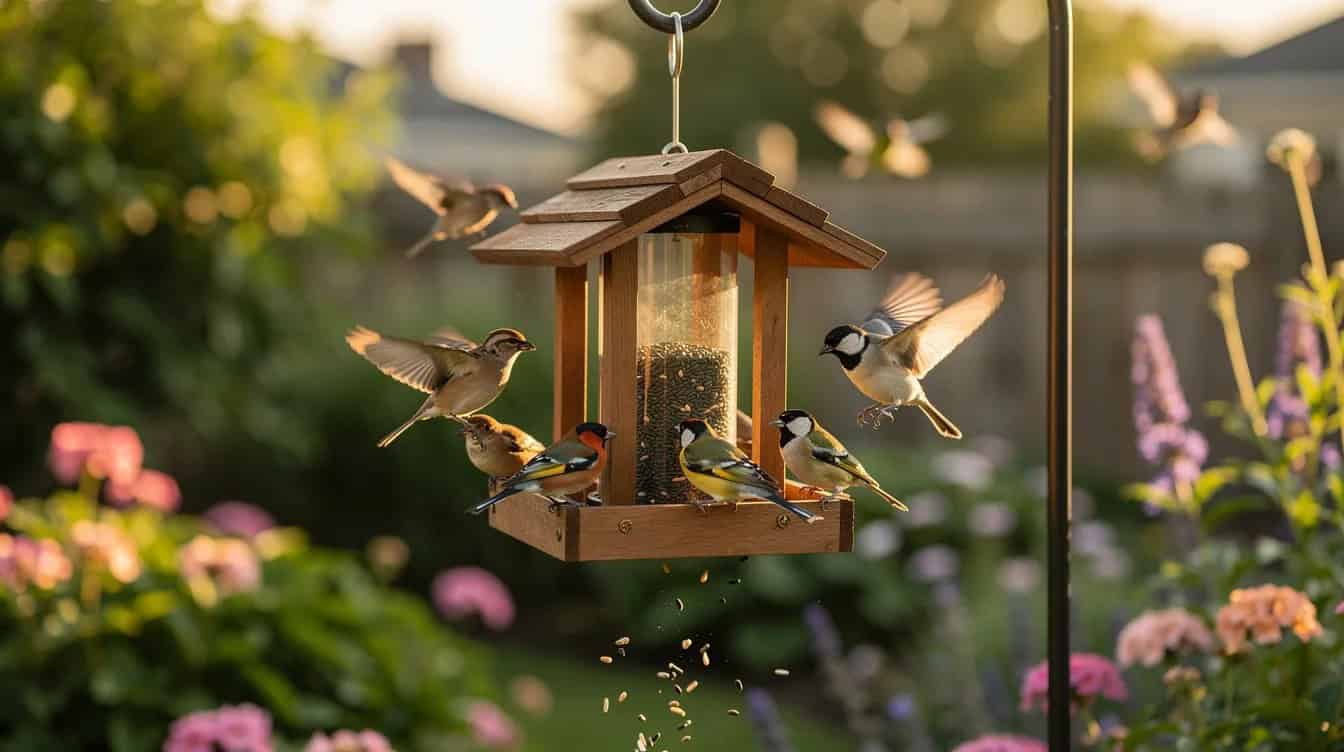
- Fill a bird feeder and note which birds visit
- Keep a short “weather and sky” note in your calendar
- Check the mail slowly and notice the light
Fresh air and gentle outdoor time can become a calming ritual. A 4 p.m. backyard walk. A Saturday morning bench visit to the local park. A weekly drive to look at autumn leaves or nearby natural wonders.
Research links time in green spaces to lower stress, reduced cortisol, and better mental health. Even brief exposure – ten minutes near trees or grass – supports mood and cognitive health.
If weather or mobility limits what’s possible, indoor plants, an open window, or simply watching clouds from a chair by the glass door still counts. The point is a daily moment of contact with the world outside your walls.
Choose one small way to step outside nearly every day.
Screen Time That Lifts You Up: TV, Internet, and Online Courses
Many retired people spend more free time with screens – TV, tablets, phones. That’s fine, as long as some of it lifts you up rather than dragging you down.
Turn passive hours into gentle enrichment:
- Watch a short documentary series about history, nature, or cooking
- Join a live-streamed museum tour from local museums or global institutions
- Sample an online course in art history, photography, or gardening
- Try language learning apps that let you practice at your own pace
Guidelines for keeping screens from swallowing the whole day:
- Choose a set time for news (say 6:00–6:30 p.m.) and stick to it
- Save one evening a week for a deliberate movie night
- Unsubscribe from draining content; bookmark sites that bring joy, learning, or calm
Technology supports social connections too – video calls with friends, online book clubs, or following along with simple chair-exercise videos. Some retirees even share creative pursuits with a global audience through blogs or social media, turning pursuing hobbies into something shared.
Be selective. The difference between screen time that restores you and screen time that leaves you foggy is usually intentionality.
Money and Time: Letting Your Retirement Activities Plan Support Your Daily Life
Figuring out what to do in retirement every day is partly about time and partly about money. Research shows that retirees with predictable income and budgeting for small pleasures report higher satisfaction – anxiety about your financial future impairs your ability to relax and enjoy simple joys.
A few practical moves:
- Set a simple monthly “fun money” amount for small daily pleasures – coffee out, a matinee movie, craft supplies, or a cooking class. Spending feels intentional, not guilty.
- Do a light financial check-in every three to six months. Review regular bills, subscriptions, and any changes in retirement routines that affect costs.
- If you’re unsure about your numbers, a session with a certified financial planner can help you see where you stand. Financial planning doesn’t have to be complicated – sometimes one conversation settles a year’s worth of worry.
Low-cost alternatives for common retirement activities:
- Borrow books from the library instead of buying
- Join free walking groups through community centers
- Stream exercise classes or fitness classes at home
- Attend free talks at retirement communities or senior centers
- Explore local museums on free-admission days
Make sure you have enough money set aside for the things that matter to you, but remember: contentment comes more from how you spend time than how much you spend. A modest retirement lifestyle can still feel rich in meaning. Many retirees earn money through part-time work, consulting, or small ventures if they want to – but it’s not required for a good life. Plan ahead for the basics, then let yourself enjoy.
Letting Your Days Evolve: Adjusting Your Retirement Routine as You Change
What feels right at 65 may feel different at 72. Your physical health shifts. Energy fluctuates with seasons. Interests change in ways you can’t predict. A retirement routine should evolve with you, not lock you in.
Try a gentle “seasonal review” four times a year – around January, April, July, and October:
- What’s working? Keep it.
- What feels heavy or stale? Set it down.
- What small experiment sounds appealing? Try it for a month.
Examples of adjustments over a few years:
- Replacing long hikes with shorter park walks
- Swapping evening events for daytime coffee dates
- Trading a demanding volunteer role for a lighter one
- Picking up new hobbies when old ones lose their spark
It’s okay to quit activities that no longer fit, even if they seemed like part of the dream retirement plan when you first left work. Giving yourself permission to change is one of the quiet freedoms of this stage.
Retirement years aren’t a fixed destination. They’re an ongoing, evolving stretch of life – and the best ones are shaped by modest daily choices. Moments of connection. A little movement. Something that makes you curious. Rest when you need it.
The days don’t need to be full to feel full. Pick one idea from this article. Try it tomorrow. See how it sits with you. That’s more than enough for a start.
Disclosure: Some of the links in this article may be affiliate links, which can provide compensation to us at no cost to you if you decide to purchase. This site is not intended to provide financial advice. You can read our affiliate disclosure in our privacy policy.
